
Disability World
A bimonthly web-zine of international disability news and views • Issue no. 7 March-April 2001


table of contents - home page - text-only home page

New Zealand Launches New Access Standard: More than Ramps & Big Toilets

"NZ has come a long way in the 34 years since access meant the kerb-cut, the ramp, the big toilet and the access symbol," said Bill Wrightson, building consultant at the launch of the revised access Standard at Parliament.

"Now it"s cooking in motels, tactile ground surface indicators and places for guide-dogs to... run. Next time round it will be the audio environment."

"I am pleased that this will also be the most accessible document Standards New Zealand has produced," he added

The document is available in large print format, and accessible electronic formats. Diagrams have been designed with maximum contrast.

Bill Wrightson, who is a wheelchair user, has studied and experienced access requirements in many countries. He says this document set a high international standard.

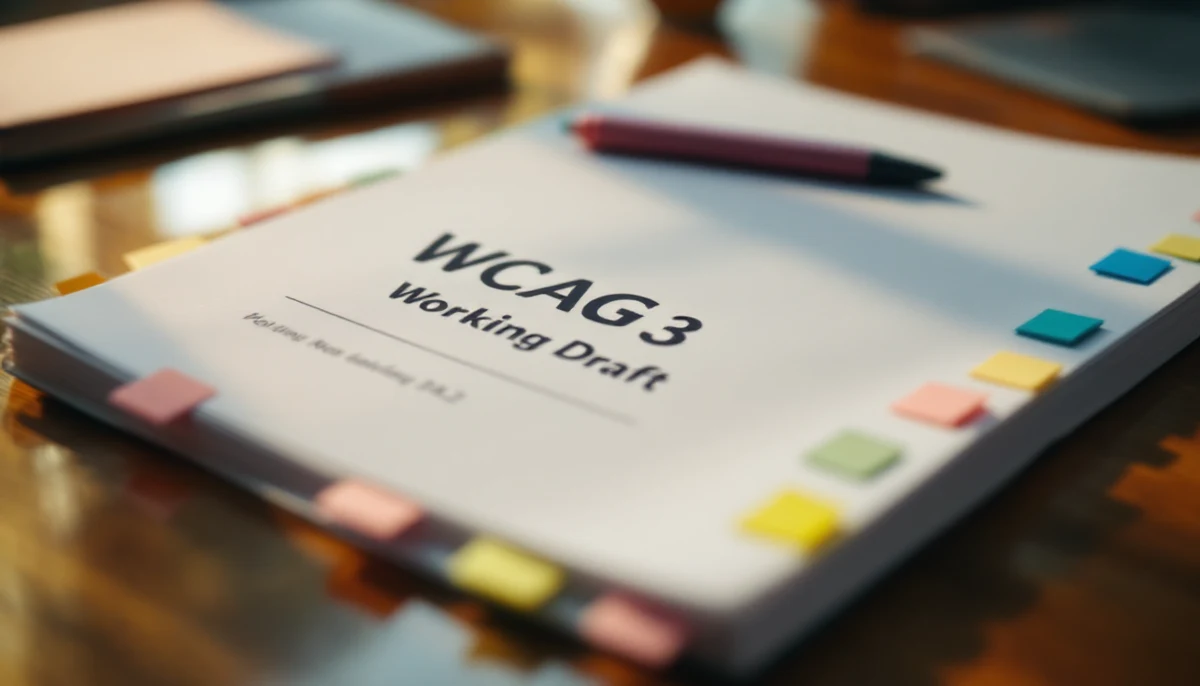
He also chaired the committee which revised the standard, NZS 4121: 2001 Design for access and mobility - Buildings and Associated facilities

"Access to public buildings and related facilities is a basic human right" said Lianne Dalziel, Minister of Disability Issues. But she acknowledged that poor access is still a major barrier which prevents many people from participating fully in our communities."

"Standard 4121 is the only standard cited in the Building Act. This gives it a unique status and a weight it would not otherwise have. It is a good example of mainstreaming the interests, rights and needs of people with disabilities into important everyday legislation and codes. I hope it becomes a model for other areas. Access is too important to be left as a discretionary "add on".


"The underlying premise of this Standard is that access is for everyone and benefits everyone - older people, parents with young children, as well as people with disabilities. Good access is absolutely critical - especially for people with physical disabilities and people with visual or hearing impairments."

Bill Wrightson said that the review process for this Standard was originally initiated by DPA (the Assembly of People with Disabilities)

He stressed the importance of citing the Standard in the Building Act.

"From the point of view of disabled people and particularly DPA, it protects a consensus drafting process that is seen as the most equitable way of ensuring detailed disability entitlement in a building control environment. I believe that this consensus model, from the building industry, provides an example for most other areas of disability servicing of how to translate a human right, in this case the right to use public buildings, into practical measurable entitlement."

He said that the intention was to provide a "one-stop" shop for access requirements complementing the Building Code as a design tool, and to provide usable information for its other target audiences particularly consumer groups.

There have been two previous NZS 4121s (the first in 1971 with a supplement in 1975 and the current one in 1985 with a commentary in 1989).

The Standard sets basic requirements, which are legally enforceable. Reasonable and adequate access for people with disabilities must be provided so they are able to visit and work and carry out normal activities and processes in public buildings.

Three new areas include the accessible route (with enhanced requirements for the visual environment), accessible outdoor public spaces and accessible accommodation, including cooking, washing, laundering and other activities.

Eight appendices include all legislative and Building Code requirements, guidance on alterations to existing buildings and a lot of other information including how to design a guide dog run.

The Standard can be purchased online in either hard copy or downloaded at www.standards.co.nz


table of contents - home page - text-only home page


Email this article to a friend!