
Disability World
A bimonthly web-zine of international disability news and views • Issue no. 14 June-August 2002


table of contents - home page - text-only home page

European Attraction Parks Flunk Accessibility Tests
By Andrew Freeway with thanks to Els Punt ANWB

With more and more European countries having anti discrimination legislation introduced, it is interesting to find out how non-discriminatory the European Attraction Parks are. The German AA, the British AA and the Dutch ANWB visited, together with their sister organizations in Europe, more then 20 parks and came to the sad conclusion that these parks and zoos are not aware of the new rules. Only a few seem to have made an effort to make disabled visitors feel welcome.
European attraction parks and zoos are very badly adjusted to disabled visitors. Or to say it more bluntly: most European attraction parks discriminate against disabled people. The European Automobile Associations checked out 22 parks all over Europe. The results have been assembled in "Accessibility of Attraction Parcs and Zoos in Europe" which will be published later this summer. The European Automobile Associations assessed the accessibility from the perspective of wheelchair users, people using a walking stick, deaf people, people with hearing problems, blind people and people with vision problems.

Walt Disney Studio's Disneyland Paris in France is the winner. This park was found to be highly accessible for people with all kinds of disabilities. Runners-up are Legoland Windsor in the UK, and Planete Futuroscope in France.

Heidepark, Europapark, and Phantasialand in Germany and Gardaland in Italy have a low score since disabled people are not allowed in the bigger attractions for security reasons. Due to the many small stairs and thresholds the Wiener Prater in Austria and the Connyland Parc in Switzerland were not adjudged accessible enough.

People using wheelchairs
Most parks often create a lot of difficulties due to steep slopes, thresholds and stairs. For people in wheelchairs, it is very difficult to find the 'wheelchair entrance' in the majority of the parks. Furthermore, there are no indicated accessible routes and on many occasions people have to get out of their wheelchair to reach an attraction. Apart from that most accessible bathrooms were too small or did not have the right arm supports. And some of the bathrooms are locked!

Most parks have a more or less reasonable score as far as their terrain is concerned. Big differences in height or a lot of thresholds were found in the Wiener Prater and the Schönbrunner Tiergarten. Better terrain conditions were found in Europapark, Legoland Windsor, Parc Astérix, Disneyland Paris, Walt Disney Studios, Six Flags Belgium, Bobbejaanland and Acquario di Genova. Most parcs should consider installing adequate ramps, if possible with resting platforms in the middle.

One of the other problems is the uncertainty about the access of the attractions. A parc might in general be accessible but that does not mean that all attractions are. In general, zoos are the most accessible parks but other parks, where looking instead of participating is the main goal, have also a high score on access like the Walt Disney Studios and Planete Futuroscope. Bad access can be experienced at Phantasialand, Europapark, Heidepark, Wiener Prater, Connyland and Gardaland. The German and Italian parks do not allow people in wheelchairs to enter their big attractions. In general this rule is applied to everybody who is not able to leave an attraction on their own, in case of emergency.

The bathrooms are another big issue. Only at Gardaland, the Wiener Prater, Terra Mitica, Universal Port Aventura and the Zoo Aquarium Madrid have adequate accessible bathrooms. In most other parks it is the dimensions of the bathroom that cause the problems: in 11 the bathrooms are not big enough. The Europapark used their accessible bathroom for storage. The ones at Blackpool Pleasure Beach, Bobbejaanland and Phantasialand had theirs locked. But if unlocked, the prize for the best accessible bathroom goes to Bobbejaanland!

Visual impaired people
For visual impaired people the parks are a sad affair. No marking stripes on stairs or dangerous points. No guiding lines or marking tiles found anywhere. Obstacles like pegs or flowerpots were often on the paths. In some parks, the risk that blind people would land in the pond were not slight! And las,t but not least: information services were very bad. Spoken information is hardly available, easy to read texts or maps are an exception and notice boards frequently are hung so high, they are easily missed. Marked steps, extra lights, guiding lines and obstacle free paths would make a big difference.

In general the supply of information is bad. Hardly any Braille or spoken information is available with the exception of Planete Futuroscope and the Acquario di Genova. Easy to read signs and maps are not available. The only exception there is Legoland. And for the blind the relief maps of Universal Port Aventura and Disneyland Paris are fantastic.

The bigger attractions in fun parks like the wild water tracks and the roller coasters are as attractive for blind and deaf people as they are for non- disabled people. Very often disabled people need someone to guide them to their seat. But in Heidepark and Phantasialand visual impaired people are not allowed in those attractions.

People using walking sticks
The general lack of resting places in areas where people were supposed to wait - like the cashier's booth or the more popular attractions - is a big problem for people with mobility problems or with less 'standing power". And the many stairs do not make life easy for people using a walking stick. Many parks use problematic floor covers like grit, sand or woodchips. Also the holes of the grids should not be too big, to reduce the possibility of people losing their walking stick in one of them. Some of the parks, like the Heidepark, make life very difficult for people because they have used cobblestones all over...ouch!.

People with hearing problems
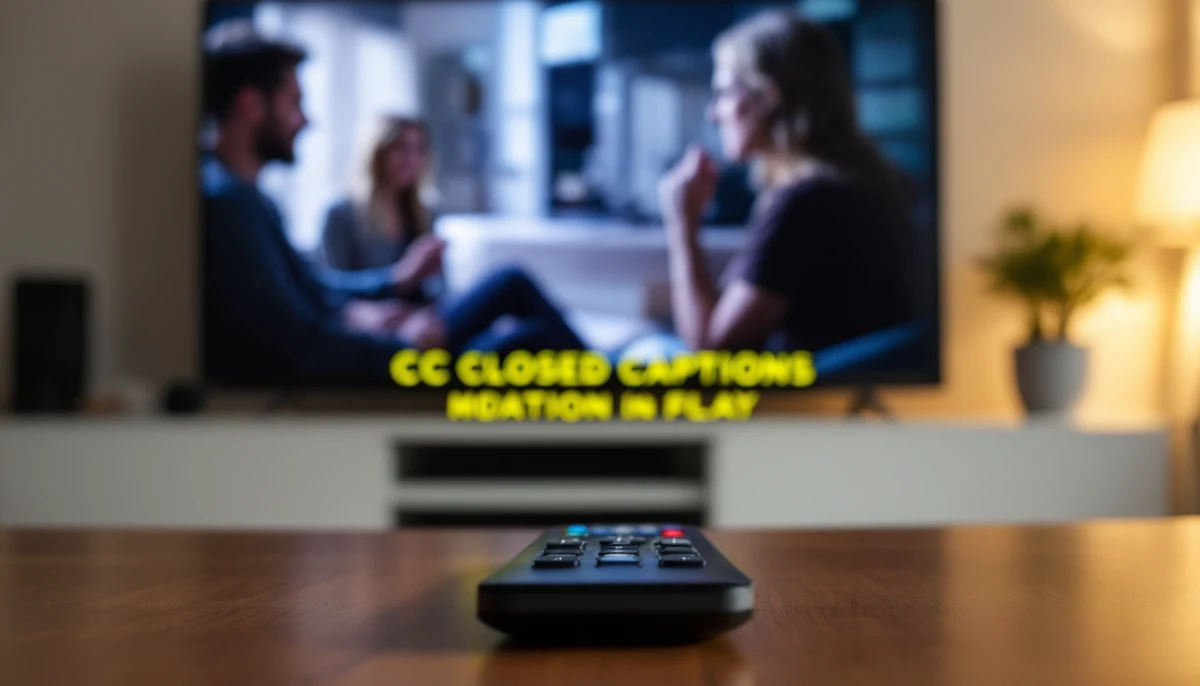
None of the parks have any special provisions for deaf people or those using a hearing aid. Some of the fun parks do not need them but some other parks should have an induction loop. At least at the cashier's booth or during a performance an induction loop should be available. There are also no sign language interpreters available, neither are films or performances captioned.

Friendly services
In some parks the lack of accessibility is more or less compensated by the kind and forthcoming behavior of the staff. Europapark, Legoland Windsor, Alton Towers, Blackpool Pleasure Beach, Heidepark, Parc Asterix, Disneyland Paris, de Efteling and Phantasialand have real good customer service and an excellent staff. Only the Wiener Prater presented a pitiful performance as far as providing services to disabled people is concerned.

Those who are interested in all test results are advised to take up contact with their national automobile association in one of the European countries. Publication of the report is expected mid September 2002.

table of contents - home page - text-only home page


Email this article to a friend!