
Disability World
A bimonthly web-zine of international disability news and views • Issue no. 10 September-October 2001


table of contents - home page - text-only home page

Blind Brazilians Struggle to Access the Banking System

To go to the bank, open an account, and receive a checkbook can be daunting tasks in general and almost impossible for blind people in Brazil. Banks have been a frequent target of complaints by people with visual disabilities, who are effectively denied the use of banking services. Bank employees claim that if blind persons cannot read a given document, they cannot be held accountable for what they are signing.

There have been so many complaints in Brazil that the São Paulo State Labor Affairs Attorney, Attorney General, and Justice Department issued a memorandum to the Brazilian Federal Reserve Bank recommending that the Bank's Department of Standards and Norms establish a series of measures in the banking system to improve services for people with disabilities.

The memorandum recommends to the Federal Reserve "that regulation of banking activities adopt the following mandatory measures for financial institutions: 1) adaptation of current and future facilities (indoor bank offices, ATMs, and equipment); 2) that any and all types of banking contracts be made generic in relation to legally capable people with disabilities, without requiring that they name proxies or representatives to conduct transactions with their checking accounts or other deposits and assets, by making copies of these contracts available in Braille; 3) printing and making available magnetic banking cards with the information printed in relief; and 4) training employees and/or third party service providers to properly serve bank customers and users with special needs."

According to the president of the Brazilian Union of the Blind (UBC), Adilson Ventura, these adaptations to the banking system and employee training are urgently needed, since in the last four years difficulties in access to banks by people with visual disabilities have increased considerably, due mainly to prejudice. "There are laws guaranteeing the rights of people with disabilities, but they run up against prejudice and discrimination in society, which ends up not enforcing them," says Ventura.

The UBC president went on to say that the problem lies mainly in the bank offices and employees. "Each bank and each office is a different case. There are banks that treat us very well, with no hassles. But if we happen to be assisted by an employee who is poorly informed or in a bad mood, it becomes a problem. I even heard a teller remark that my signature looked like scribbling by a little kid or an illiterate," he says.

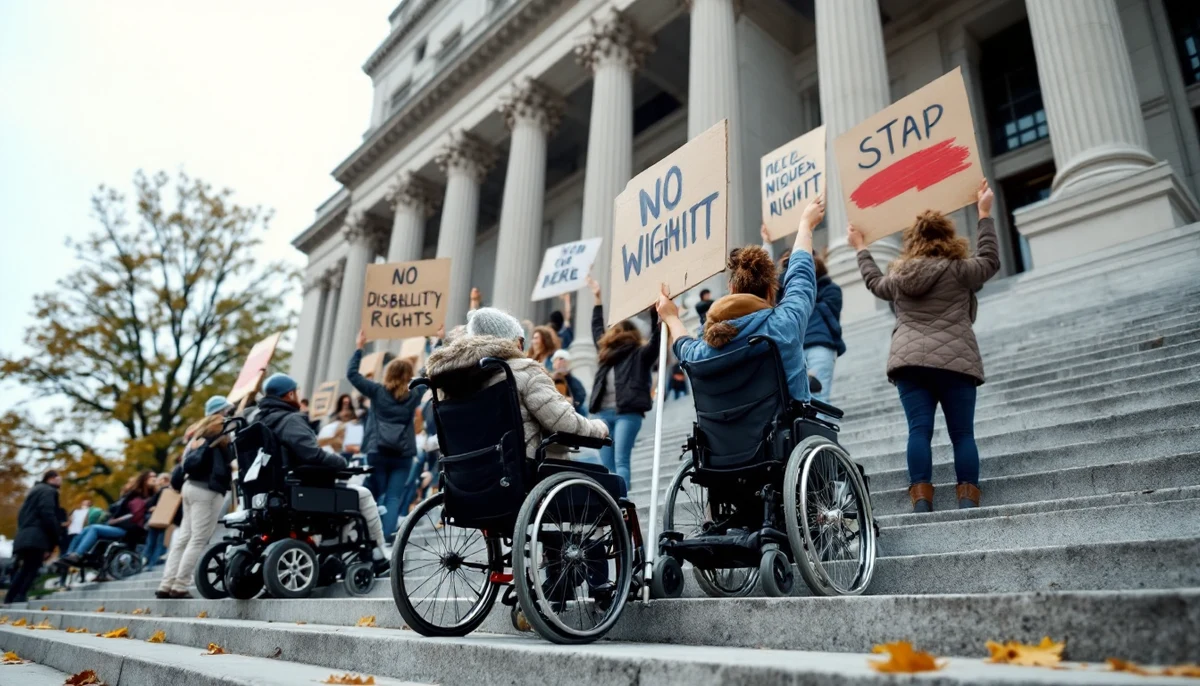
Banks currently require that blind individuals name proxies to sign for them, which is a form of unconstitutional and illegal social discrimination. Legally, only account holders themselves can opt to name proxies, of their own free will. Although the current system jeopardizes people with visual disabilities the most, account holders who use wheelchairs also encounter various difficulties, such as stairways and revolving doors making access to services virtually impossible.


table of contents - home page - text-only home page


Email this article to a friend!