
Information services for persons with disabilities in Peru: Problems and needs
By Isabel Miranda Meruvia/ Edited by: Luis Fernando Astorga Gatjens, IID
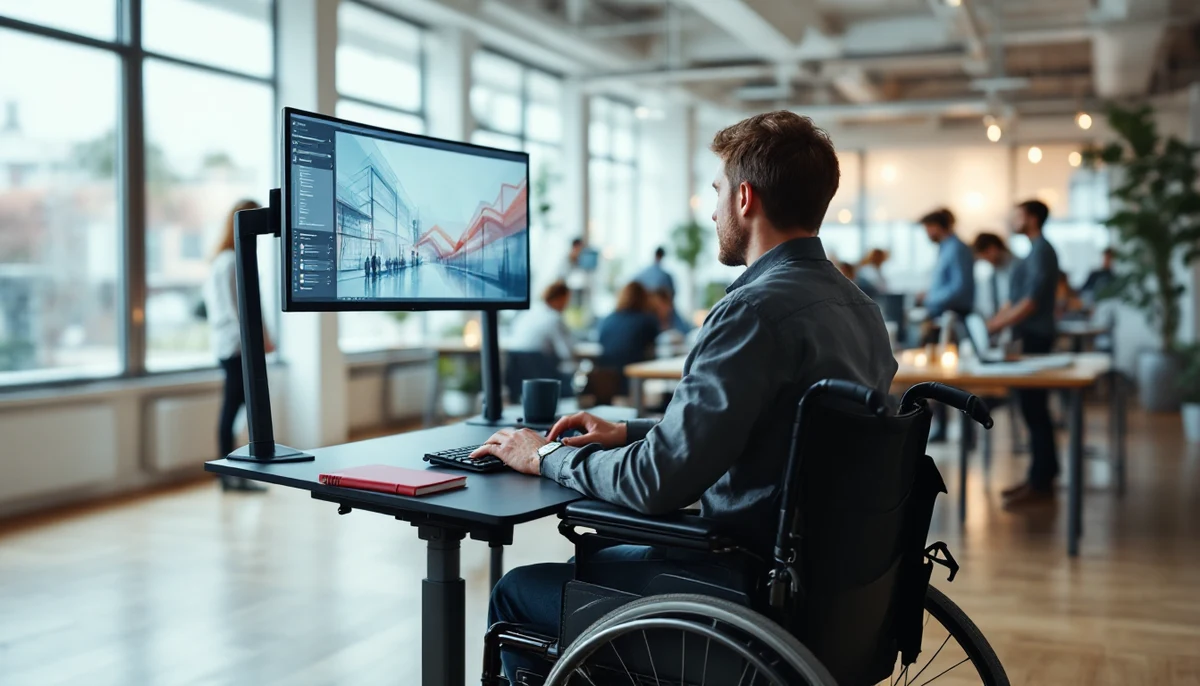
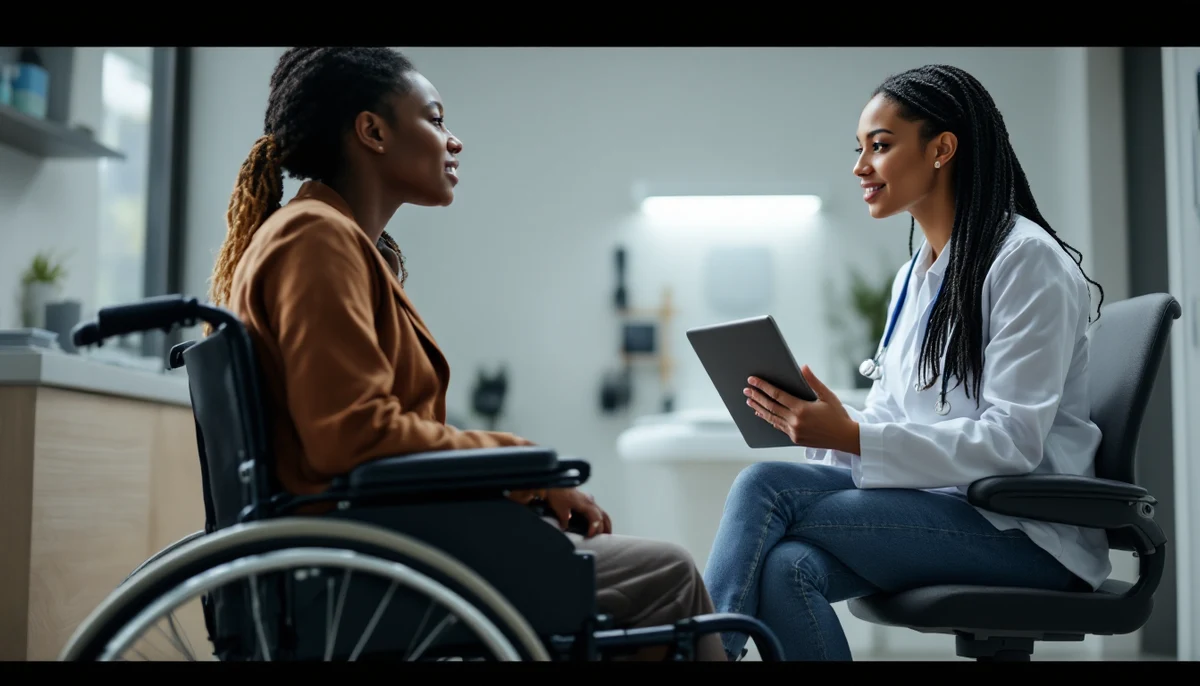
I think it is important to examine the concepts of information and right to information, which should always be present in our professional work, and to keep in mind what is our role at the different libraries in order to build a more just and inclusive society, by knowing and identifying the educational, cultural, and information needs of persons with disabilities. We also should make more efforts in promoting due access and make available specific information services.
Necessary concepts
Information: "It is an inherent and on-going need for every person, because it cannot be separated from the mental process of its essential being. We can not conceive the persons without him or her been the generator and consumer of information."
Therefore, information is vital for the social, economical, educational, and cultural development of every nation.
In Perú, this resource is limited by the absence of a policy on culture and its protection, a lack of a policy on information regulating the production, marketing, and distribution of information materials. We need a National System of Information to coordinate, promote and to integrate the information sections. The National System must ensure that persons with disabilities are not left behind with respect to the use of information.
"Right to information: "This is a universal human right, it cannot be violated, and must be regarded as the expression of real liberty. The right to information entails that there is also an accessibility to other essential options which make a life worthy, for all people without discrimination."
The right to information as a protection and a mandate in the Peruvian Constitutions, reveals a slow evolution, almost without major changes. In fact, the right to information is not explicitly mentioned in any section of our Constitutions.
The right to information is considered to be implicit in the section of "Fundamental rights of the person" in the Peruvian Constitutions of 1979 and 1993. The Constitution of Perú of 1993 contemplates the modern concept of "the right to information" in its article 2, section 2: "Every person has the right to information, opinion, expression and dissemination of thought by the oral word or the image using any means of social communication, without needing any previous authorization, censorship or impediment, under the responsibilities of the Law." This concept is also expressed by the Universal Declaration of Human Rights, in the article covering the Right to Information.
With respect to libraries. The UNESCO Declaration (1994) indicates: "It shall be understood as a center of information based on equality of access for all persons, without limitations posed by race, gender, religion, nationality, language or social condition. It must include specific services for those who, for any reason may have limitations in using the ordinary services and materials, for example linguistic minority groups, including persons with physical and intellectual disabilities, the sick or inmates."
Libraries and information centers
What is the situation of the right to information in Peru, with respect to access and availability for persons with disabilities?
In Perú, 98% of all libraries of public and private schools, secondary schools, institutes of higher education, universities, and similar institutions, do not have information services with the necessary adaptations to ensure due access for persons with disabilities.
This is because there is a lack of special and updated information materials and lack of knowledge regarding information technology.
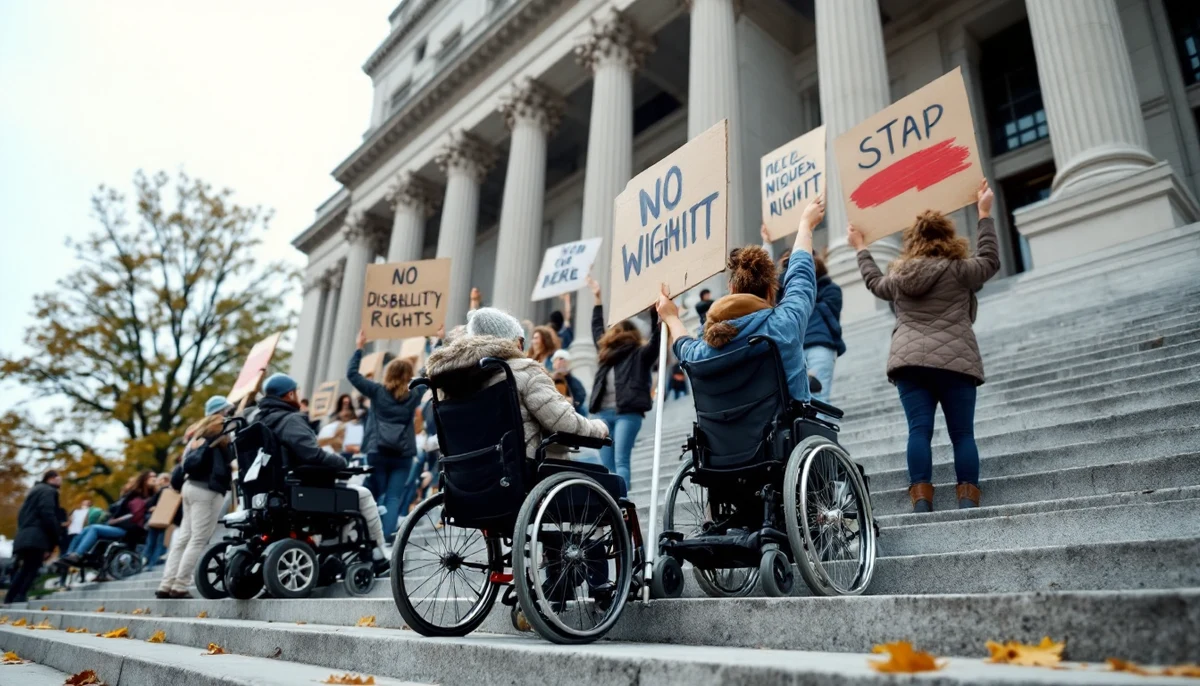
There are also many architectural barriers found at the majority of the library buildings and at places where libraries operate. No consideration has been given to provide for the needs of persons with disabilities who otherwise would be able to have freedom of access and internal movement in our libraries and information sections.

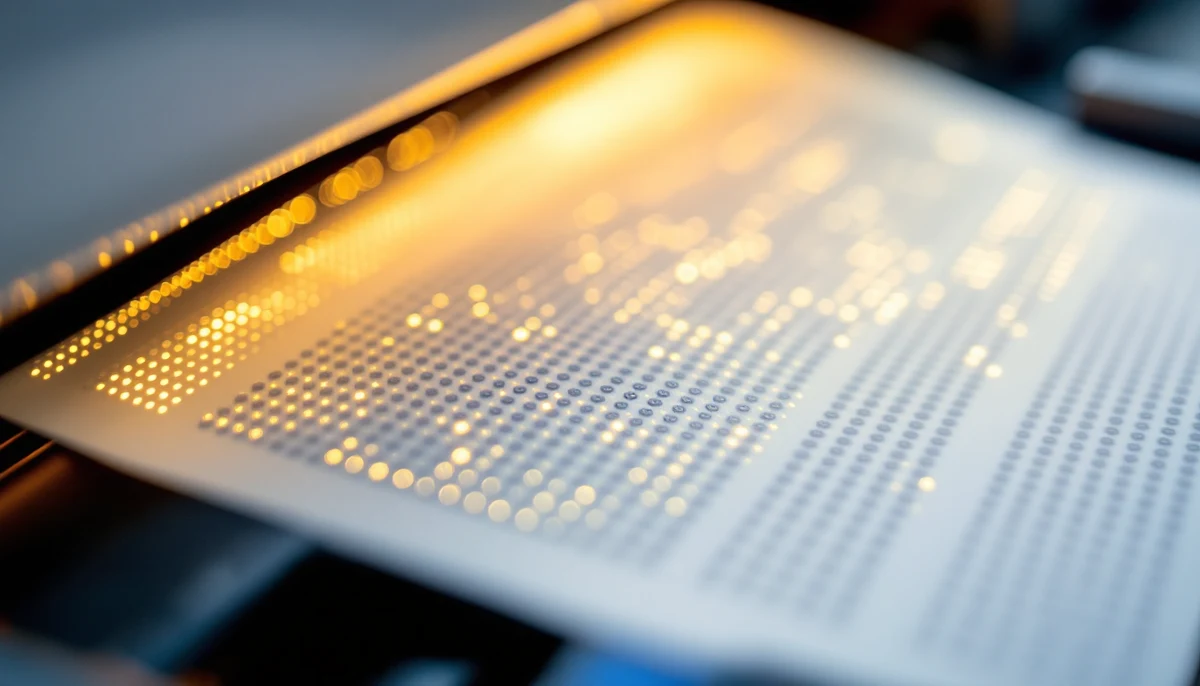
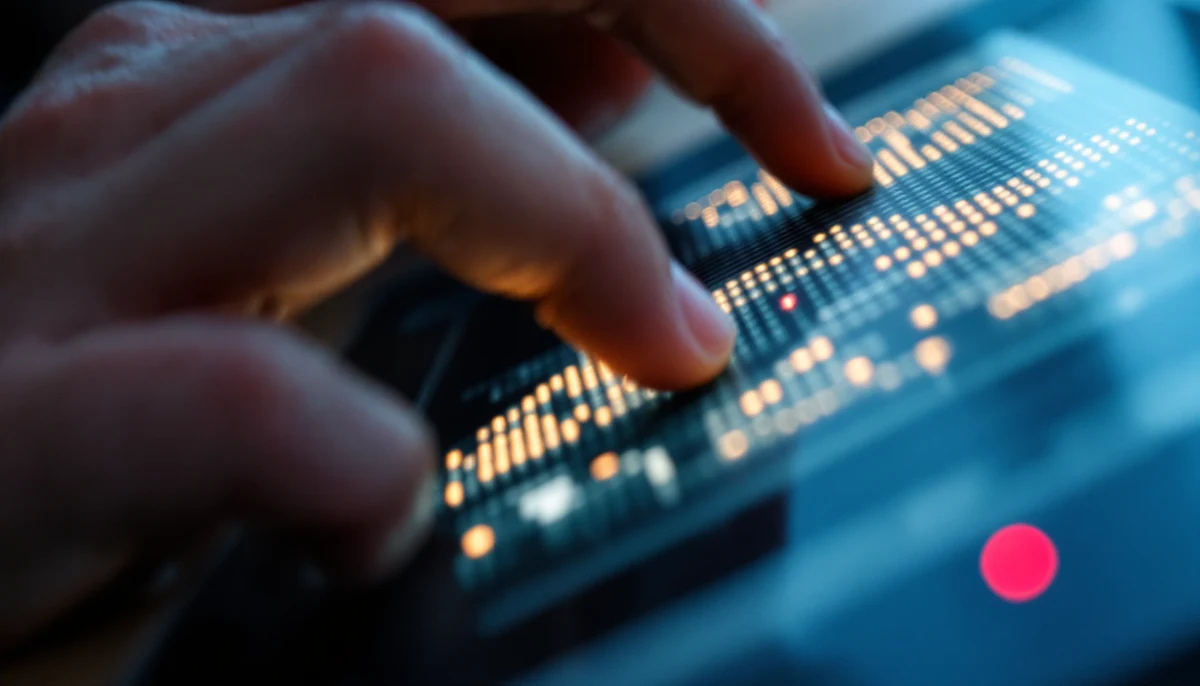
Some measures are presently conducted to eliminate these architectural barriers, for example, the National Library of Peru, and the Municipal Libraries of Barranco and San Borja, are each setting up a room for the visually impaired, with a small collection of materials in Braille, mainly in foreign language and Talking Books.
Consequently, we affirm that in our country there are no adequate and technically organized information provisions for persons with different disabilities, as found at schools and universities of other countries.
This problematic situation worsens in other regions of the country where, the majority of the people do not have access to basic education. At times of the so called globalization, there is a need for an interdisciplinary action by educators, psychologists, librarians, and health professionals, in order to include persons with disabilities as part of the development and inclusion efforts of the Peruvian society.
The social, economic, and cultural situation of Peruvians with disabilities
According to the World Health Organization and the official publication of the National Statistics and Informatics Institute (Instituto Nacional de Estadística e Informática), 1998, there were about 3,500,000 persons in Peru with physical and intellectual disabilities. They are usually ignored with respect to their educational, social, cultural and labor needs.
A combination of causes and factors may explain such situation: The families do not seek professional assistance, the general society makes the disabled persons victims of indifference, discrimination and poverty become serious obstacles for the integration of persons with disabilities into the community and the national education system. In Perú, illiteracy is the situation for 41% for people older than 15 years and there are no structured or defined plans or policies considering persons with special needs from preschool to higher or university levels.
Among the sector of persons with disabilities, 43% of them are younger than 18 years of age and the main causes of disability in our country are: acquired diseases, violence, traffic and work related accidents.
Norms and institutions
The National Council for the Integration for Persons with Disabiities (Consejo Nacional de Integración para las Personas Discapacitadas (CONADIS) was established in 1999, within the Ministry for the Promotion of Women and Human Development (Ministerio de la Promoción de la Mujer y del Desarrollo Humano, PROMUDEH). The Peruvian General Law of the Person with Disabilities (Ley 27050, Ley General de la Persona con Discapacidad) was approved in 1991 and its regulations were approved in the year
2000.
This legislation calls for developing projects to allow inclusion of persons with disabilities in society and mandates municipalities, public agencies and the Ombudsman Office to promote the active participation of persons with disabilities, with equal rights, in the life of the nation.
There are more than 20 educational institutions serving persons with disabilities, mainly persons with physical disabilities. They are hard working and dedicated organizations for this special group of the Peruvian population.
General conclusions
- The right to information is essential and must be considered as a human right. It protects freedom, security, and the physical and moral integrity of people.
- Perú has serious limitations of access and availability of information services for persons with disabilities. There is a need to organize Information Units, with the corresponding systems and equipment for modern information technology.
- The libraries were created to satisfy the needs of a general public; at present they do not meet the needs of users with disabilities, and the majority of them present architectural barriers. Accessibility measures are being adopted yet there remains a lot to be done.
- The multidisciplinary cooperation and cooperation among national and international libraries is essential. There is a great need to promote the sharing of knowledge and the exchange of professionals to foster a better opportunities for the development and inclusion of persons with disabilities in Perú, together with major improvement in their quality of life.
|