
Progress Report on UN Disability Rights Convention
Prepared by Mr. Gidion Kaino Mandesi of Tanzania, RI Vice President for Africa
1. INTRODUCTION
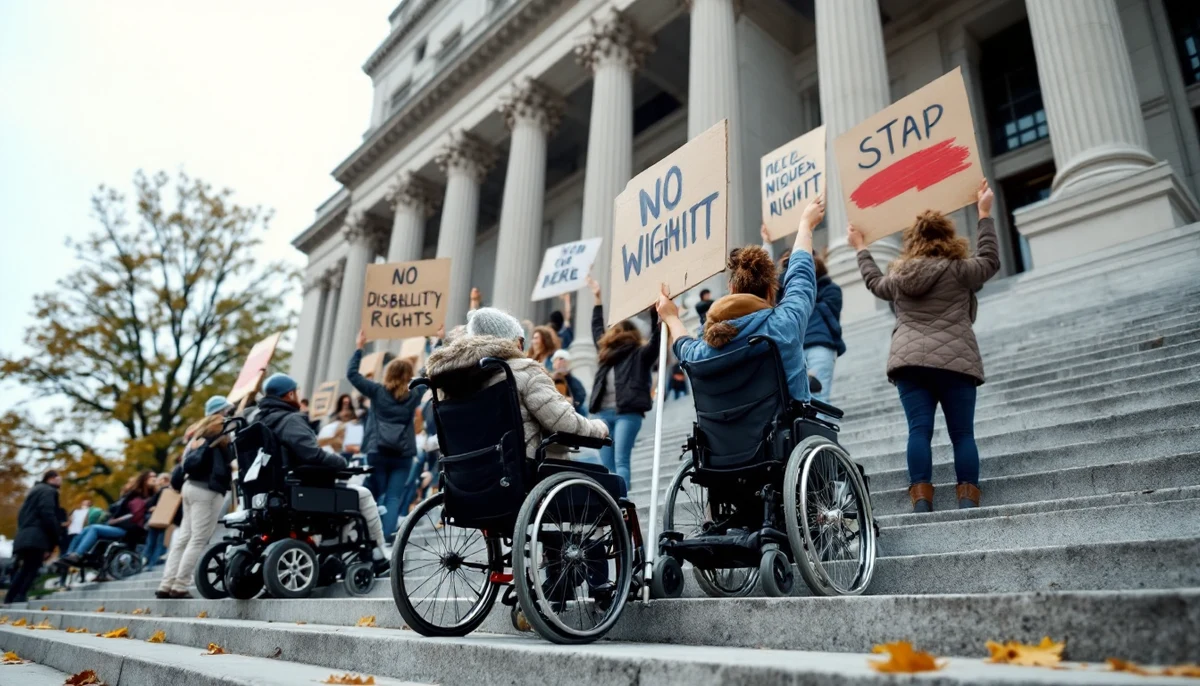
The process of drafting the United Nations Convention on Disability rights and negotiations about its contents to be included and structures for effective monitoring implementation of such Convention at the national and international levels, is now one of the top priorities of the majority UN member states and international disabled peoples organizations and other Non Government Organisations. This could be evidenced by the fact that More than 100 Government delegations and 35 NGOs, including Rehabilitation International and other international DPOs that are members of the International Disability Alliance (IDA) spent 2 weeks from 23rd August to 3rd September 2004 at the UN headquarters in New York to participate in the process of drafting and negotiations on many aspects of the proposed draft text. Ambassador Luis Gallegos of Ecuador chaired the 4th session of the Ad Hoc Committee in the 1st week of the session which dealt with the second reading of the draft text of the Convention. Both government delegations and NGOs in particular, international Disabled People’s Organizations (DPOs) got opportunities to make oral statements on the draft text of the Convention. International DPOs did speak as one voice and few of them made supplementary statements supporting the issues under consideration. In fact, the government delegations and NGOs, DPOs under the umbrella of International Disability Caucus on the Convention and individual organizations made useful contributions for the improvement of the text of the draft Convention. Thus, the 2nd reading of the text of the draft convention was successfully done for articles 1 to 15 excluding article 3 about definitions. The article on definitions will be dealt with at a later stage; in addition, the participants addressed the issue relating to international cooperation to be included in the Convention. Thereafter, Ambassador Luis Gallegos invited his colleague, Ambassador Don MCKay (New Zealand) to coordinate informal discussions on the text of the draft Convention. Government delegations were allowed to speak and negotiate on the draft text of the Convention during the informal discussions. International DPOs and other NGOs were observers during such informal discussions. They were not allowed to speak.
2. Civil and Political rights as the first human rights generation
Basically, during the 4th session of the Ad Hoc Committee, the 1st generations of human rights, i.e., civil and political rights targeting full enjoyment of such rights by persons with disabilities were fully discussed and accepted by the majority to be included in the convention. Much emphasis was placed on several issues such as the right to life, equal recognition as a person before the law, liberty and security of the person, freedom from torture or cruel, inhumane or degrading treatment or punishment, freedom from violence and abuse, freedom of expression and opinion, and access to information – respect for privacy, the home and the family, living independently and been included in the community. Some government delegations and the majority international DPOs and NGOs differed in some key issues such as those relating to abortion, forced institutions and sterilization, inclusion of the family and how to address persons with disabilities in difficult circumstances such as in armed conflicts, foreign occupation and refugees. Other issues were children and women with disabilities as well as indigenous issue. Consensus has not yet been obtained on these differences. However, the negotiations are still continuing among government delegations and other key stakeholders on these matters.

3. Purpose of the UN Convention on disability
Both the Government delegations and International DPOs and other NGOs have been, in principle, agreed to the issues pertaining to the purpose of the proposed draft of the Convention. The majority accepted that the purpose of the convention should seek to promote and ensure the full enjoyment of all human rights and fundamental freedoms by persons with disabilities who currently represent 10 percent of the estimated 6 billions of the World population. Up to 80 percent or more of an estimated 600,000,000 people with disabilities throughout the world live in developing countries. Thus, the proposed UN Convention on disability rights seeks to safeguard and advance basic rights and human dignity with ultimate aim to improve their social life and development on equal basis with others in society where they live.
4. General principles of the UN Convention on disability
Human rights notions to guarantee full realization of the rights and dignity of persons with disabilities were also discussed by government delegations and representatives of NGOs/DPOs during the 4th session of the Ad Hoc Committee. The concerns of many government delegations and representatives of DPOs were integrated. They have agreed to enshrine into the UN Convention on disability rights the following general principles: namely, equality, non-discrimination, equal opportunities, reasonable accommodation, positive measures (affirmative action treatment), accessibility and universal design, self determination, full participation, full inclusion, independent living, international responsibility/cooperation, disability inclusive development of international cooperation, empowerment of persons with disabilities; as well as human dignity and respect for difference and acceptance of disability as part of human diversity and humanity.
5. States’ general obligation
With due regard to general obligations to be complied with states parties of the proposed draft of the Un Convention, it has been settled that each state party to this convention on disability rights is under general obligation to ensure that basic rights and freedoms as set forth under the proposed UN Convention must be exercised and enjoyed by all persons with disabilities without discrimination of any kind. Each state party to the Convention must undertake legislative, administrative and other necessary possible measures to give effect to this legal approach. Further, national constitutions and other appropriate legislation at the domestic jurisdictions must incorporate disability rights therein, it was emphasized. Putting disability rights within the national legal systems will help greatly the practical realization of disability rights at the domestic jurisdictions. In addition, each state party to the UN Convention on disability is obliged to ensure that public authorities and institutions act in conformity with the Convention, and not to engage in any act or practice contrary to it. Other aspects accepted by the government delegations and representatives from DPOs and NGOs regarding general obligations of the states include the need at the national level of undertaking all appropriate steps to eliminate discrimination based on disability; promote international cooperation; and to undertake measures for progressive realization of economic, social and cultural rights for the benefit of persons with disabilities in a particular country concerned. Mainstreaming disability issues into all economic and social development policies and programmes has been accepted also to be included in the UN Convention on disability under the provisions of general obligations.
6. Data and statistics on disability
Both the government delegations and representatives of International DPOs and other NGOs supported the draft of an article of the Convention dealing with statistics and data collection on disability issues. It was greatly emphasized that disability statistics are essential for plans, policies and programmes for social life and development for persons with disabilities. Thus, disability statistical information is an essential basis for development of adequate policies and programmes to both locally and globally for promoting the rights and dignity of persons with disabilities. Such information on disability statistics should be strictly used for statistical purposes paying due regard to privacy and confidentiality of the data collected. Emphasis added.
7. Sign language
The majority of participants have accepted that sign language by itself is a language for deaf people and should not be seen as a means of communication. In this regard, it was insisted that development and promotion of sign language at national level is obligation of the each country concern in order to ensure deaf people have access to sign language. Hence, it has accepted that the sign language be included in the UN Convention of disability.
8. Plan of action to promote participation of persons with disabilities from developing countries.
The chairperson of the Ad Hoc Committee and the International Disability Caucus on the Convention admitted that the participation of persons with disabilities n this final stage of drafting process and negotiations is so important. However, the participation of persons with disabilities from less developing countries where by 80% of persons with disabilities live, is continued to be law. In this regard, during the 4th session of the Ad Hoc Committee, both the chair of the Ad Hoc Committee and International Caucus on Disability urged government again to make contributions to the United Nations Voluntary Fund in order to support participation of DPOs’ representatives from developing countries. International DPOs will assist selection of persons with disabilities who will participate in this drafting process and negotiations of the UN Convention on disability.
9. The way forward
Two or three more negotiating sessions on the UN Convention on disability rights are planned for the next year in order to try to finalize the draft text so that the final text can be prepared ready for signature by September 2005. This is in accordance with the statement of the Ambassador Luis Gallegos, Chairman of the United Nations Committee drafting the Convention made in 3rd September 2004 to the reporters in New York following a two-week negotiating session of the 4th Ad Hoc Committee on Comprehensive and Integral International Convention to protect and promote the rights and dignity of persons with disabilities.
printer-friendly format |