
Disability World
A bimonthly web-zine of international disability news and views • Issue no. 11 November-December 2001


table of contents - home page - text-only home page

British "TextDirect" Telephone System Provides Greater Access to Deaf & Speech-impaired Users
By Judy Wilkinson (jwilkins@panix.com)

The International Coalition of Access Engineers and Specialists (ICAES) announced the winners of its 2001 International Access Engineering Awards.

British Telecommunications (BT) and The Royal National Institute For The Deaf (RNID) were jointly honored for introduction of BT TextDirect, a system that integrates text telephone (TTY or TT) users more fully into the UK's mainstream telecommunications network than has hitherto been the case.

How TextDirect Works
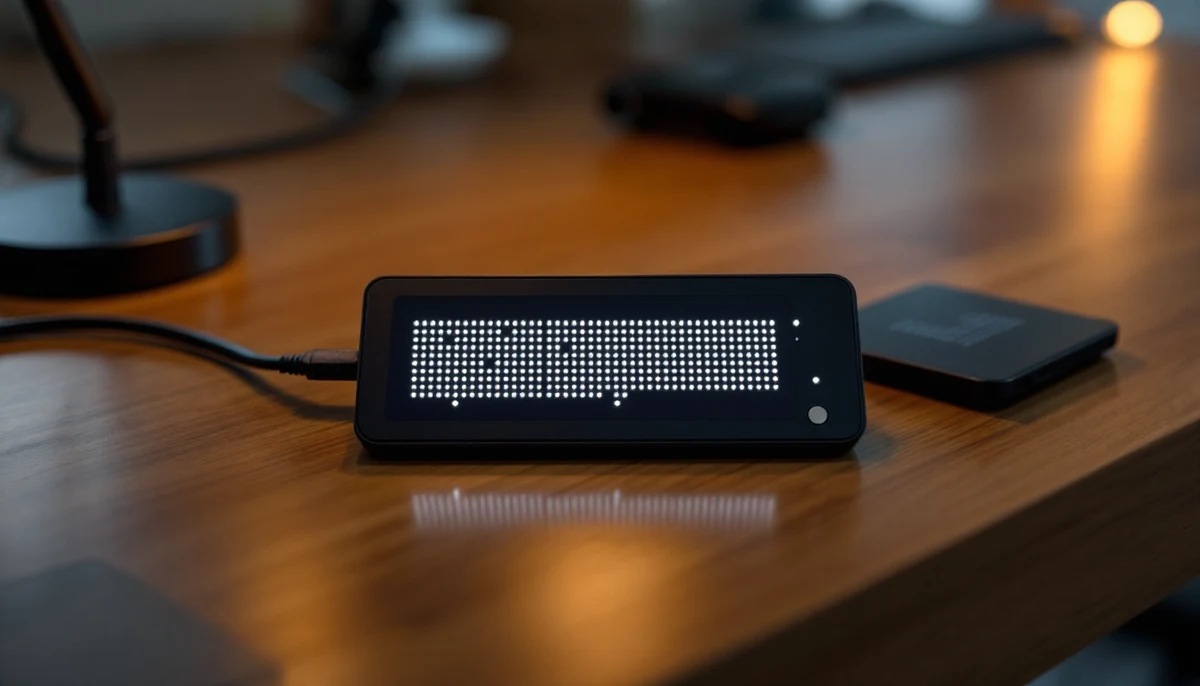
Up until now, in the UK as in other countries that have made provisions for use of the phone systems by persons with serious hearing impairments or deafness, the services of a relay operator and/or the use of text telephones were needed to facilitate phone conversations between hearing and non-hearing or between speaking and non-speaking persons. According to information provided by British Telecom:

"The service is the first time that textphone users have been integrated into mainstream telecommunications. In the past if a call failed, a textphone user would receive little indication as to why. Also a textphone user had to decide whether they were going to be 'talking' to another textphone user or a voice user."

Making a TextDirect Call
Material provided by BT continues as follows:
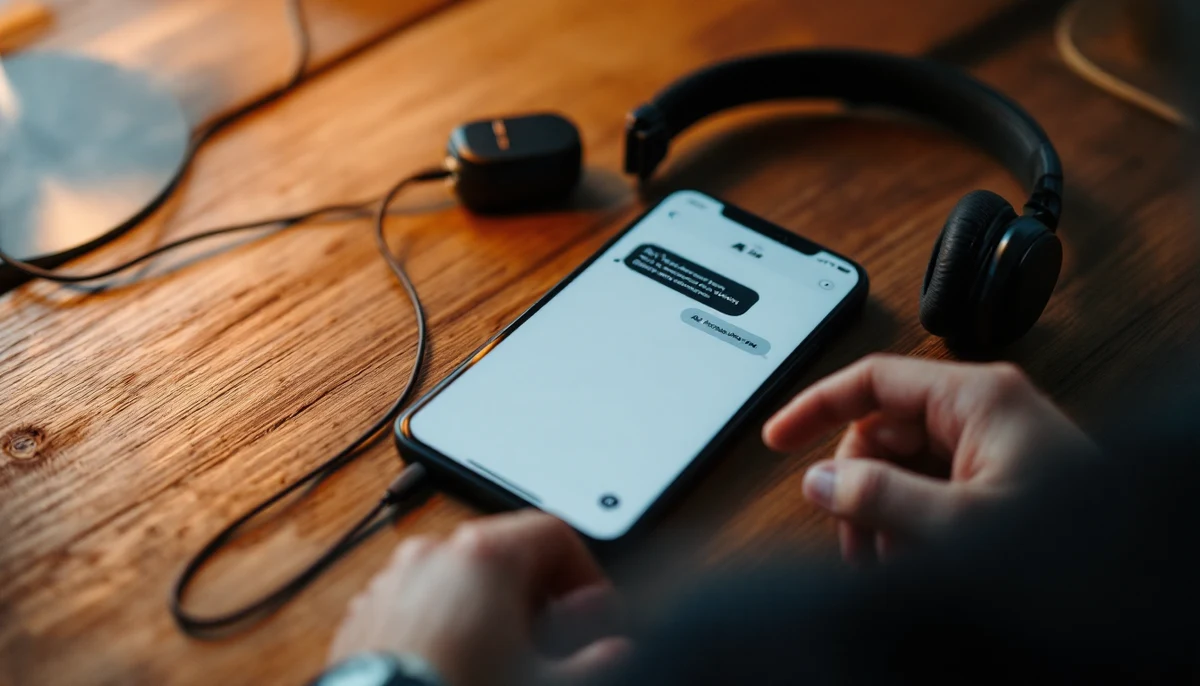
"For a textphone user making a call is the same whether it be to a voice user or another textphone user-- they will simply dial the text prefix 18001 before the telephone number of the person they wish to call. This prefix tells the telephone network that the call is from a textphone user and connects the call through the TextDirect platform. While the call is being connected the textphone will display information about how the call is progressing such as 'TXD Dialling' and 'TXD Ringing'. These and other messages are generated by TextDirect and sent in text to the textphone. All messages from TextDirect will contain the TXD' prefix so that the textphone user knows the message is automatically generated rather than from another person."

Voice Calls
"A voice user will use TextDirect when ever there is a possibility that a textphone user could be involved in a call i.e. the call is being made to a mixed ability household. Voice users will dial the voice prefix 18002 followed by the number they wish to call, this will connect the call through TextDirect and thus bring a Typetalk operator into the call as and when required."

Receiving Calls
"When a call that has been connected through TextDirect is answered, a recorded voice message is played to the person receiving the call telling them about TextDirect and textphones. If at any time during this message a textphone is switched on, the message is stopped. Voice users also have an option to skip the message. Once the message has stopped TextDirect will react appropriately dependent on the requirements of the two parties i.e. voice and text = relay, voice and voice or text and text = direct connection."

How the "Typetalk" Relay System Works
"Typetalk will perform the same relay function as it does at present facilitating calls between two parties. However, one of the big advantages of TextDirect is the fact that a Typetalk operator will be automatically connected into a telephone call when a textphone user is connected to a voice user."

TextDirect for Deaf-Blind Users
According to Michael J. Day, a spokesman for BT, deaf-blind Users can access TextDirect in the same manner as other users. "BT TextDirect is compatible with terminals used by deaf blind people and they use the service in the same way as deaf, speech impaired and hard of hearing textphone users."

Worldwide Access
Commenting on worldwide access possibilities, Mr. Day says, "Textphones are our name for TTYs such as the Minicom. BT TextDirect is the first service to use the new ITU-T V.18 Textphone protocol, which means it can communicate with most textphones world-wide."

Implications for the Future
Mr. Day states: "Concerning the future, one of the big extras we get with BT TextDirect is that it provides compatibility between textphones/terminals that can not communicate directly. In the UK we have three different textphone protocols that previously could not communicate. While this is at present limited to textphones I believe that we will see people using PC modems more... This compatibility or gateway function could be extended to provide access from and to the internet. There are some issues to overcome but it is possible."

Mr. Day continues: "There is another advantage with BT TextDirect and that is we know a call is a text call before it is answered and we could direct calls to groups of skill agents in a call center rather than to an agent that does not know how to deal with a text call."

Although of importance primarily to persons in the UK with hearing and speech disabilities and those without disabilities wishing to communicate with them, Text Direct has significant implications for telephone users with other disabilities as well. Because the system eliminates barriers among several communications platforms, and is compatible with phone access technology used by persons who are deaf and blind, the system has international implications, in that it could provide a basis for greater system integration and compatibility among countries that have specialized telecommunications arrangements for people with hearing or speech disabilities.

For Further Information:
British Telecom
Michael Day
BT Age and Disability Unit
Room M02
Kingston TE
101 Birkenhead Avenue
Kingston-Upon-Thames
KT2 6RX UK
Email michael.j.day@bt.com
Phone: +44 20 8546 1601
URL: http://www.BT.com

Lisa Watch
Media Relations Officer
RNID
19-23 Featherstone Street
London EC1Y 8SL
Email: mediarelations@rnid.org.uk
Phone: + 44 207 296 8137
URL: http://www.rnid.org/

For further information regarding The International Coalition of Access Engineers and Specialists or its International Access Engineering Awards Program:
Steve Jacobs
Phone: (In the US) (614) 777-0660
TTY: (800) 855-2880
E-mail: sjacobs2@columbus.rr.com
URL: http://128.104.23.133/icaes.com


table of contents - home page - text-only home page


Email this article to a friend!