
Disability World
A bimonthly web-zine of international disability news and views • Issue no. 11 November-December 2001


table of contents - home page - text-only home page

Call for Papers: International Conference on Disability, Virtual Reality & Associated Technologies, Hungary, September 2002

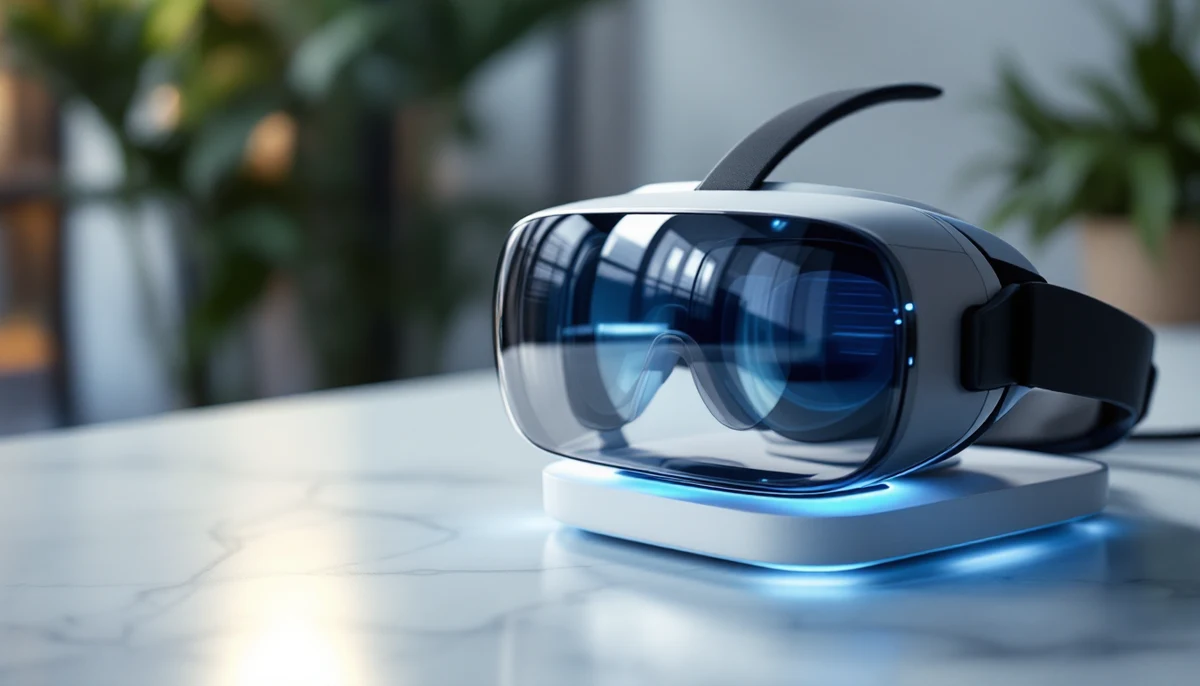
This 4th international conference on this topic will take place September 18-20 in Veszprem and is intended to review how advances in the general area of virtual reality can be used to assist people with disabilities. Papers are sought in which technical innovation is backed up by evidence of original and practical implementation or which promise practical application in the very near future. Presentations which include video material and/or experimental systems are particularly welcome.


Research presented at the conference will be published in a peer reviewed Proceedings. This conference follows on a successful series: Maidenhead, U.K. in 1996, Skovde, Sweden in 1998 and Algharo, Sardinia in 2000. Abstracts from these conferences can be viewed on the web: www.cyber.rdg.ac.uk/icdvrat

Information:
Submission of Abstracts (in English) by 31 January 2002: details on format available via email from p.m.sharkey@reading.ac.uk or on the web at www.cyber.rdg.ac.uk/icdvrat

Notification of acceptance: 15 April

Submission of final paper (in English): 15 July

All presentations: 20-25 minutes, with 5 minutes following for questions

Registration before 15 July; late fee after 15 July; reduced registration fee for students and delegates with a disability. Details on the web: www.cyber.rdg.ac.uk/icdvrat

Suggested topics: communication & language, virtual & enhanced environments, rehabilitation, clinical assessment, cognition, computer access, haptic devices, visual impairment, mobility, medical systems, imput devices, sensors & actuators, communications aids, multi-user systems for user interaction, tools for architectural/CAD design, visual impairment through virtual simulation, wheelchair navigation through virtual environments, product design testing and prototyping, training tools for rehabilitation, augmented reality for people with disability, ambisonics (3D sound), cognitive processing and virtual environments, and human factor issues.


table of contents - home page - text-only home page


Email this article to a friend!