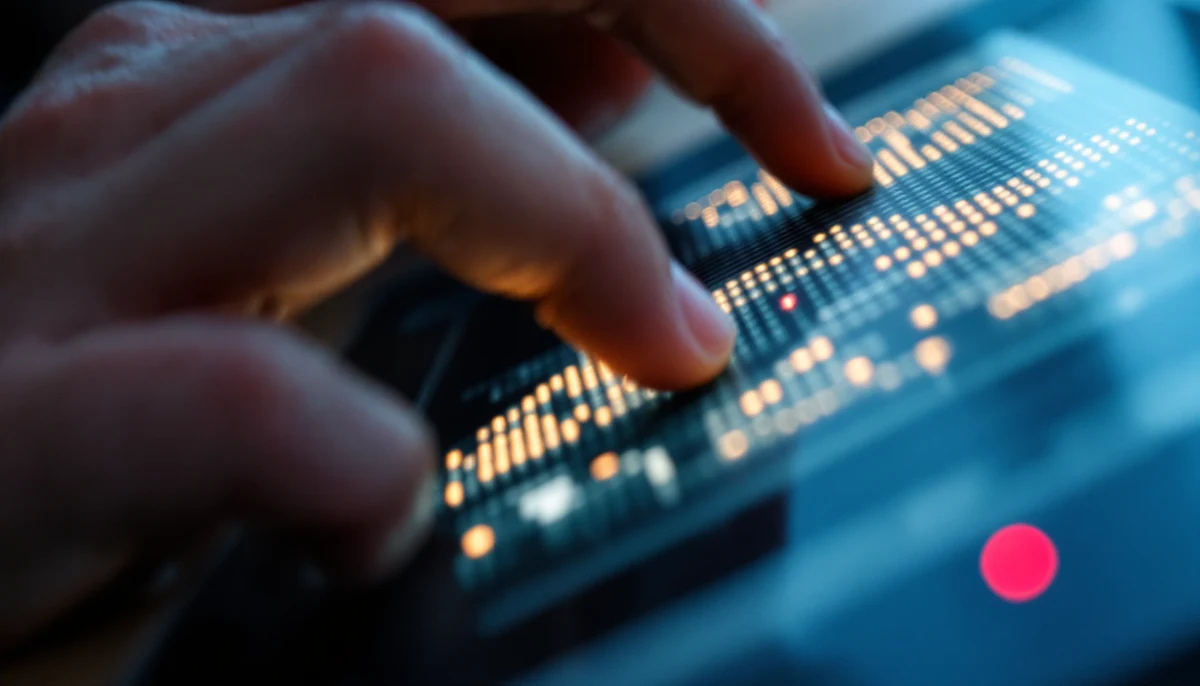

"Cybercafé" for blind persons in Santiago, Chile
Edited by Luis Fernando Astorga based on press reports
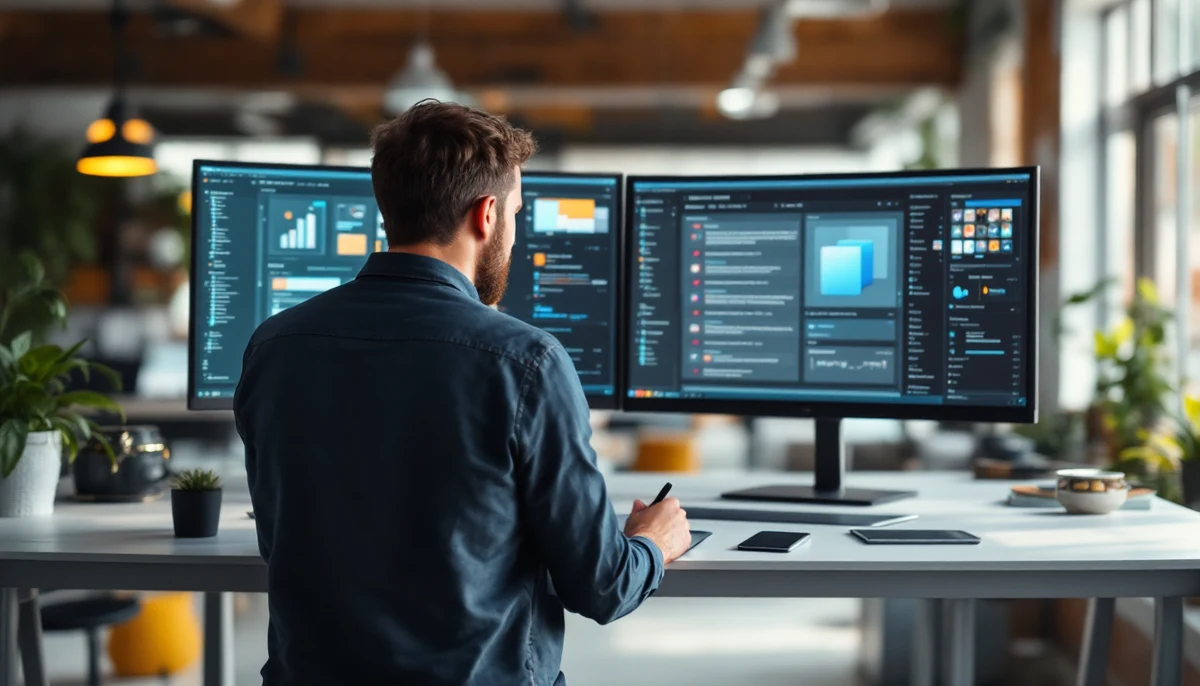
From the windows of the place you can see about ten people sitting in front of their computer screens, the monitors are turned on but the screen are blank. When entering this old mansion of the Providencia neighbourhood, on the Western side of the Chilean Capital, the combination of human and electronic voices heard indicate that this is not just any Cybercafe.

A cane accompanies a mouse on the desk, a dog near a chair and, different from other places where one can access the Internet, there are no posters on the walls, only books in Braille.

"This is not a cyber cafe. We call it a No See Café, jokes Mario Hiriart, President of a private foundation, Central Library for the Blind (Biblioteca Central de Ciegos) and promoter of the first cyber cafe for persons who are blind in the country.
"According to the information we have obtain from the Web, this would be not just the first cyber cafe in Chile, but also in Latin America. We do not have information regarding similar places in many parts of the world."
The idea began as a response from the Central Library for the Blind, to the communication needs of the majority of the 250,000 blind persons in Chile, a country of about 15 million people.
Official reports indicate that there are about 40,000 to 50,000 totally blind persons in Chile, and the majority of them need financial assistance for their training and education.
One of the users and a student of law, Fabian Rodríguez, is now learning to open web pages and told us: "It has been hard for me. I just want to learn to navigate, to be able to communicate with other people and to interact."
They pay about 1000 Chilean pesos (about US$1.50) for the instructor.
Users spend a few weeks of training before there are able to navigate by themselves. The foundation cover the costs of the telephone and the web connection.
They use a computer program called "Jaws". It is an expensive program but they were able to obtain it through donations and the support of an organization of blind persons of Spain.
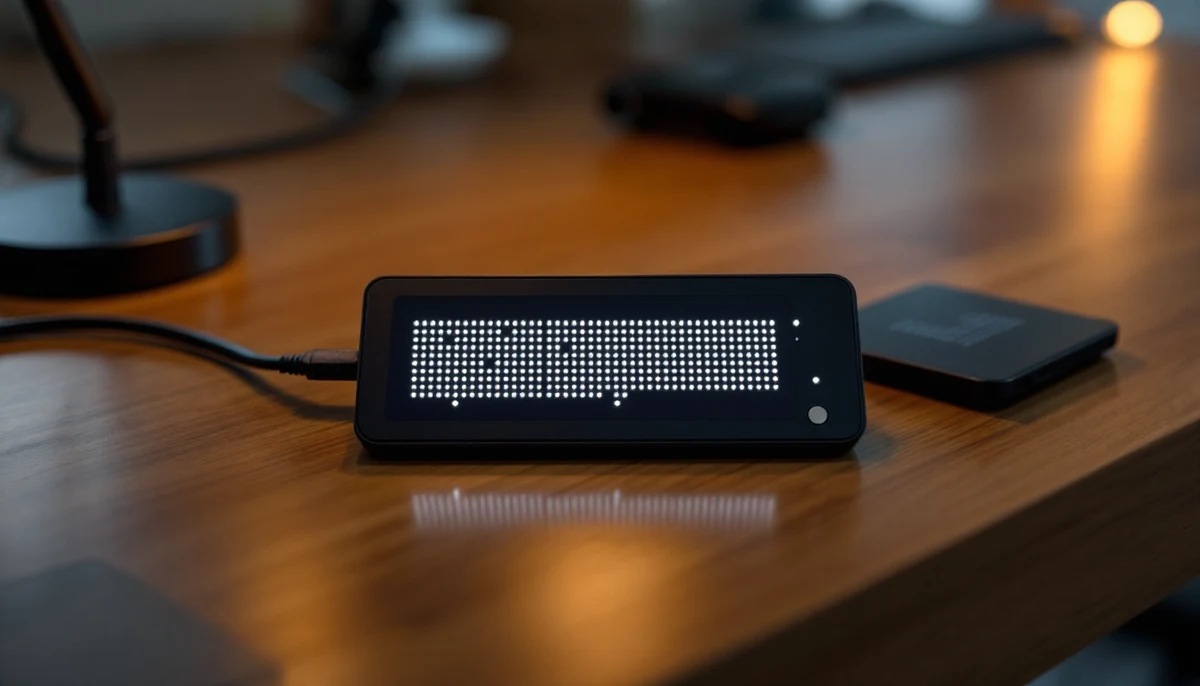
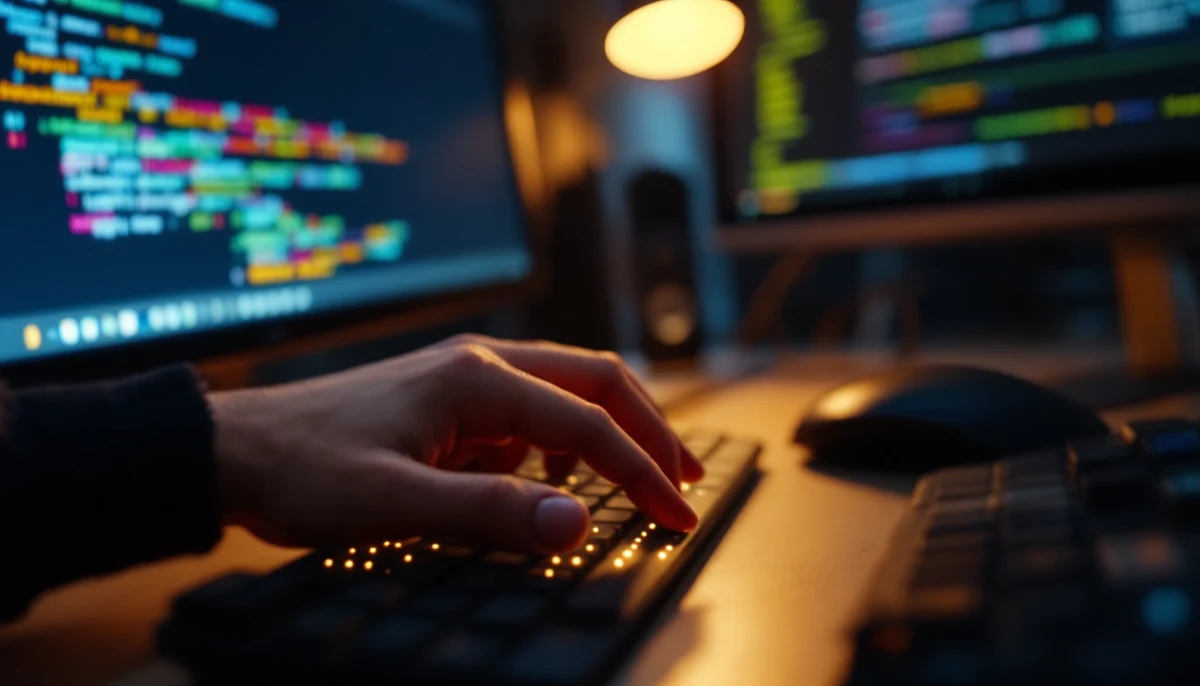
The users have to open JAWS, type their commands and they start receiving audio information through earphones of speakers near the monitors.
Hiriart's eyes shine as he recalls how he explained the idea to the foundation a few month ago. Now there are 30 blind students checking their e-mail regularly, or just reading or downloading music on the organization's 12 computers.
"The main problem of the blind is loneliness and computer training for internet access becomes an important tool to deal with it, because it permits communication. He told us as we left the cyber cafe section for the blind. This separation is needed to avoid accidents in the computers with the JAWS program installed.
If moving around with a cane or reading Braille is a titanic task for many, learning to navigate effectively is very challenging for students who are blind. All the students, most of them young, says it is complicated but it is worth the effort.
On of the surprises is that we found Fernando Henríquez, 70 years old, who sells things in the streets. He has become an expert at digital exploration and handles cybernetics well enough to be considered advanced.
Yet, Henríquez still uses the Braille plate reader with one hand and keys with the other.
|