
UN Millennium Goals Do Not Address Disability
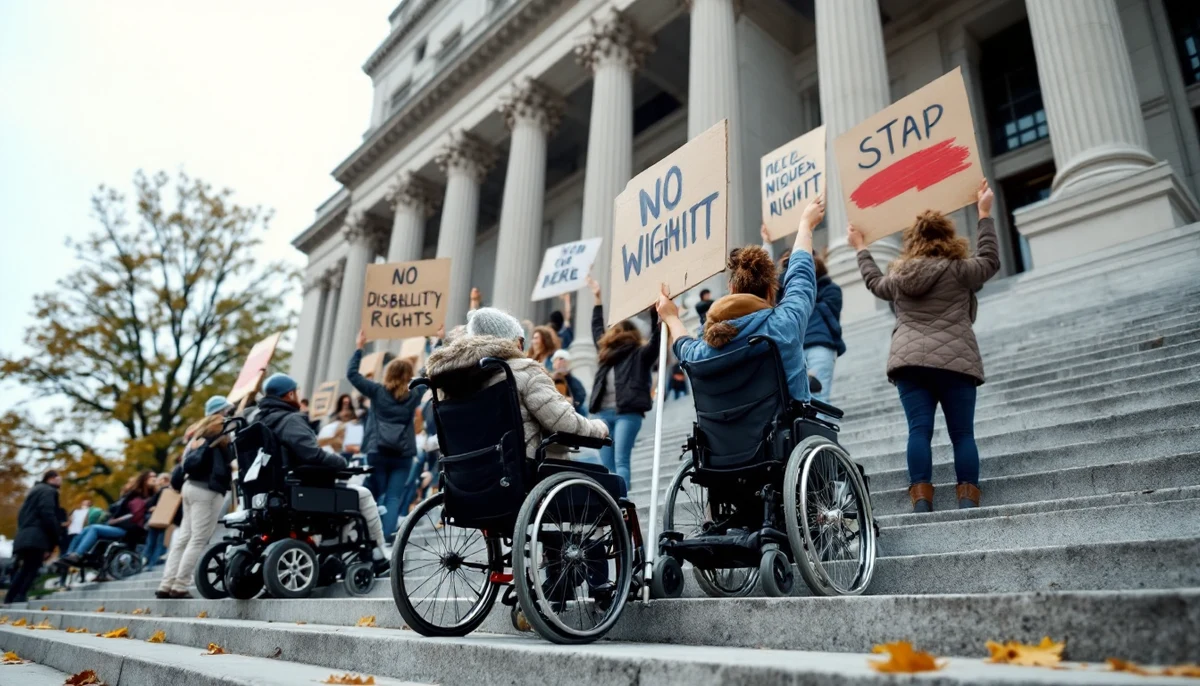
December 03, 2003 (London) - Inclusion International (II), a federation of 200 organizations advocating for the human rights of people with intellectual disabilities worldwide, calls on world leaders and governments to step up efforts to ensure that the world's most vulnerable people are included in efforts to meet the United Nations Millennium Development Goals (UN MDGs).
The exclusion of people who have a disability is impacting on progress toward the MDGs:
- 600 million people worldwide have a disability of which over 70% live in a developing or transition economy
- 98% of children with disabilities are not in school
- Approx. 1 in 5 people living on less than $1 per day have a disability
- An estimated 43% of people with disabilities live in relative poverty
- 98% of people with disabilities in developing countries do not have access to rehabilitation and appropriate basic services
- Over 80% of people with disabilities are unemployed
Inclusion International today released its own goals for the Millennium, the Inclusion International Millennium Development Goals (see attached II MDGs), to ensure that people with disabilities are not forgotten in global efforts to improve quality of life in developing and transition economies. The II MDGs provide recommendations for developing inclusive policies and programmes in education, maternal and child health, poverty reduction, human rights, gender equality, HIV/AIDS and global partnerships to promote the inclusion of people with disabilities worldwide.

"While we applaud the UN's efforts to eradicate poverty and exclusion, we are concerned that these efforts will not reach some of the most isolated citizens, those with disabilities. People with disabilities and their families are among the poorest of the poor and the least likely to benefit from traditional development programming. The MDGs set high standards for achieving essential rights and services and offer a framework to promote inclusion and human rights. But will the UN and donor agencies live up to these standards for all and invest in development practices that truly promote inclusion? Our families are waiting for an answer" - Diane Richler, President, Inclusion International.

Inclusion International calls for greater action in development programming, financing and monitoring to ensure that issues affecting people with disabilities and their families are not pushed to the bottom of the list. With investments being made in programs to help countries achieve the UN MDGs, there is a real opportunity to promote inclusive models for education, health care and human rights that allow access by people with disabilities and their families as it does other vulnerable citizens.
Inclusion International is committed to working with governments and international agencies to include people with disabilities in all aspects of their programming and to linking the knowledge and experience of our members all over the world to decision making processes about education reform, poverty reduction, child development etc. Through the II MDGs, II is offering ways to cooperate with UN and donor agencies to achieve the inclusion of people with disabilities in development efforts because without this broader focus of inclusion, the Millennium Development Goals will not be able to adequately and effectively meet their targets.
INCLUSION INTERNATIONAL'S MILLENNIUM DEVELOPMENT GOALS: VISION AND TARGETS FOR 2015
- Eradicate Extreme Poverty For People with Disabilities and their Families: By 2015, people with intellectual disabilities and their families will live free of poverty and discrimination
- Achieve Inclusive Education: By 2015, all children with intellectual disabilities will receive good quality, inclusive education with appropriate supports to ensure that each child reaches their highest potential
- Promote Gender Equality for Women with Disabilities: By 2015, social, economic and political discrimination against women and girls who have a disability and their mothers will be eradicated
- Reduce the Mortality of Children with Disabilities: By 2015, the mortality rate of children who are born with a disability or become disabled in the early years will be reduced by two-thirds
- Achieve the Rights of Children and Families: By 2015, the rights of children with disabilities, as outline in the UN Convention on the Rights of the Child, will be respected; mothers will receive adequate pre- and post-natal health care to ensure the well being and healthy development of all children; families will get the help they need for the care and support of their member with a disability
- Combat HIV/AIDS: By 2015, the spread of HIV/AIDS in the community of people who have a disability will begin to be reversed and children with disabilities who have been orphaned will be supported and cared for in the community
- Ensure Environmental Sustainability: By 2020, achieve significant improvement in the lives of people who have an intellectual disability and their families who live in extreme poverty
- Develop a Global Partnership for Development: By 2015, global efforts to promote good governance and global partnerships will contribute to the human rights of people with intellectual disabilities, including citizenship and economic rights
For further details, visit www.inclusion-international.org
or contact:
Connie Laurin-Bowie
Project Director, Inclusion International
c/o Canadian Association for Community Living
4700 Keele St., York University, Kinsmen Building
Toronto, Ontario, CANADA, M3J 1P3
Phone: (416) 661-9611 ext. 203
Fax: (416) 661-5701
Email: conniel@inclusion-international.org
printer-friendly format |