
Disability BUZZ
Disability & Development: 10 Best & Worst of 2005
Looking back over a myriad of 2005 events and developments, some stand out as indicators of progress or problems facing the international disability field.
- One of the promising indicators that the UN proper (the agency, not the Disability Unit) is beginning to take disability on board in its broader initiatives was the inclusion of violence against disabled children within its major study on violence against children worldwide. In most UN agency global reports, disability is subsumed within health issues or presented in a token or tangential manner, such as in the WHO’s 2002 World Report on Violence and Health. It was at the 11th hour that UNICEF acted to include children with disabilities in this new study, but it was done. Nora Groce, Ph.D. of Yale University’s School of Public Health, was asked to quickly pull together an experts’ group and the substantive results can be found at www.unicef.org/protection/index_27374.html and then click on the heading “Unicef Summary Report on Violence Against Disabled Children.”


- A worrisome sign that disability organizations are beginning to be included among groups in civil society perceived as threats to some current governments was the recent ejection in mid-October of Handicap International from North Korea. There is news of crackdowns on civil society organizations in other countries in Europe and Asia. (Maybe there is a limit to inclusion?)
- Congratulations to the World Bank editors for their eminently readable and nearly jargon-free issue of Development Outreach devoted to Disability and Inclusive Development. It’s rare to find an information tool that can be used by both the development and the disability communities. Read it online at www.worldbank.org/disability or request a print copy;
- One of the stranger stories to be published by the BBC this year was its October 4 detailed report, “Child Camel Jockeys Left Disabled” in the Gulf States. In most cases, BBC disability stories place the issue within the context of social or economic developments, but this one leaves the impression that camel-caused injuries are a predominant cause of disability throughout the Gulf region.
- According to feedback from participants, among the outstanding disability & development conferences this year were Leonard Cheshire International’s major meeting in Bangkok in October on “Disability: A Global Perspective on Rights to Education and Livelihood,” featuring field-tested examples of micro-finance projects involving disabled persons; and the African Decade’s International Partners Meeting in Ethiopia in September, where Africans were clearly taking the lead in devising new approaches to old problems in that region;
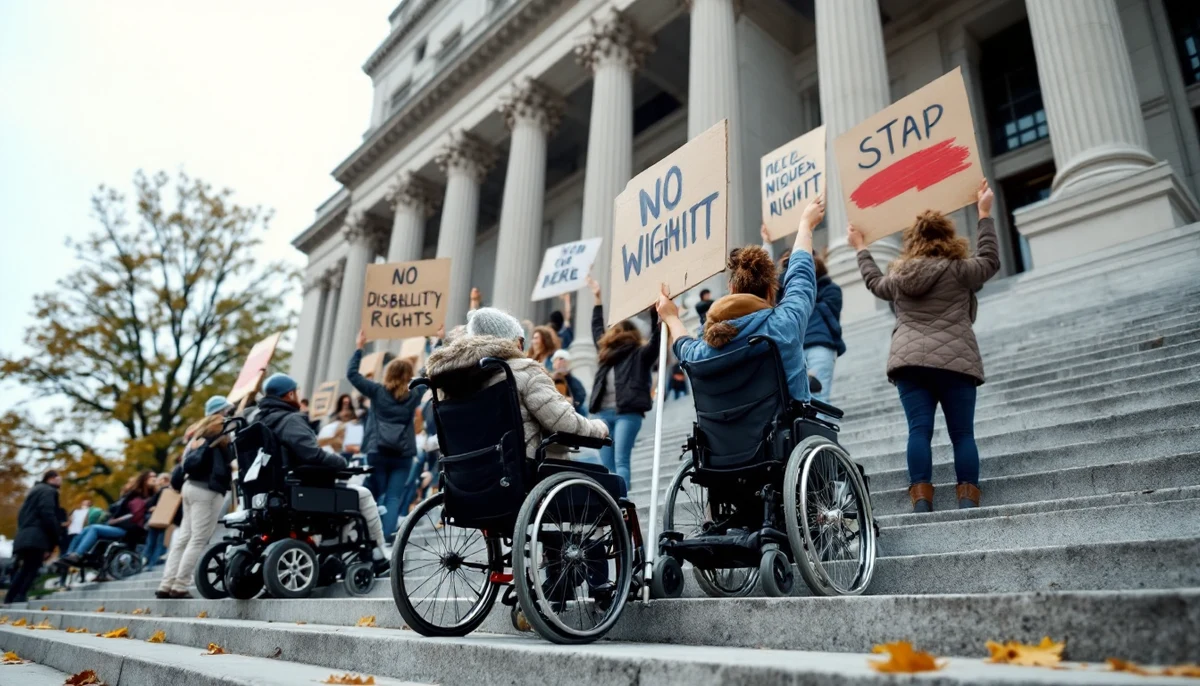
- Unsettling news about arrests of disabled persons was received from Bankok last week, where a large group of blind and disabled persons were rounded up in response to a peaceful demonstration and will reportedly face criminal charges; and in China this fall when several press reports were issued about the arrest and then house arrest of a blind self-taught lawyer, Chen Guangcheng, who has been offering counsel to women who have undergone forced sterilization or abortion to comply with the one-child policy;
- Roll model or role model? Recalling back to the Profumo scandals, there have been many British politicians whose careers collapsed following press scrutiny of their extracurricular activities, so when David Blunkett lost his position in the Blair cabinet for similar reasons, some sort of new level of disability equality must have been reached. For the disability point of view on this story, visit www.bbc.co.uk/ouch
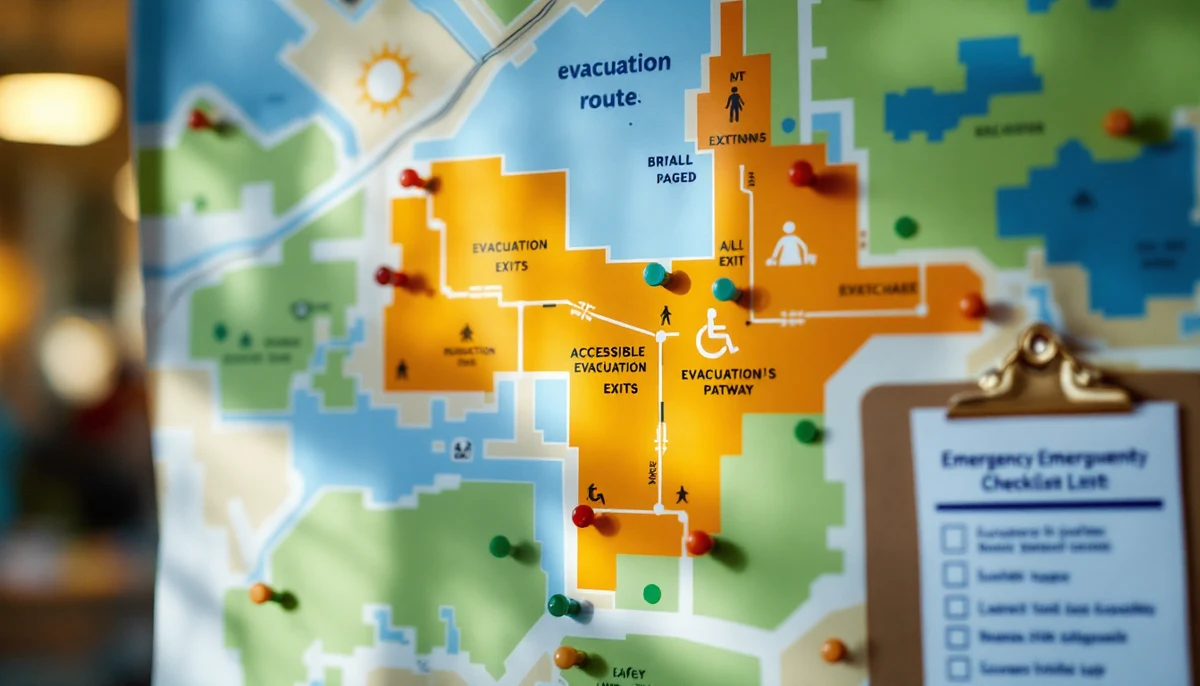
- Surely, some of the worst news of 2005 was how badly people with disabilities fared in the natural disasters that befell Kashmir, New Orleans and the Asian countries affected by the tsunami. It is heartening to see the level of response, and the long overdue attention now in several countries to developing disability-inclusive planning and procedures for public communications and evacuation in emergencies and response in the aftermaths;
- It was also encouraging to see the U.S. State Department move to create an official committee on foreign policy and disability. Secretary of State Condoleezza Rice opened its inaugural meeting this summer and its agenda included new policies promoting accessible construction in Afghanistan and Iraq, and requiring disability-inclusive actions in future USAID contracts; and
- the Japanese Society for Rehabilitation of Disabled Persons also deserves wide recognition for providing staunch support to the successful disability forum held within the World Summit on the Information Society (WSIS) in Tunis in November.
printer-friendly format |