
From the Black Sea to Lake Baikal: Disabled Youth Teams Tackle Barriers to Education
By Jennifer Geagan (Jennifer@wid.org), World Institute on Disability
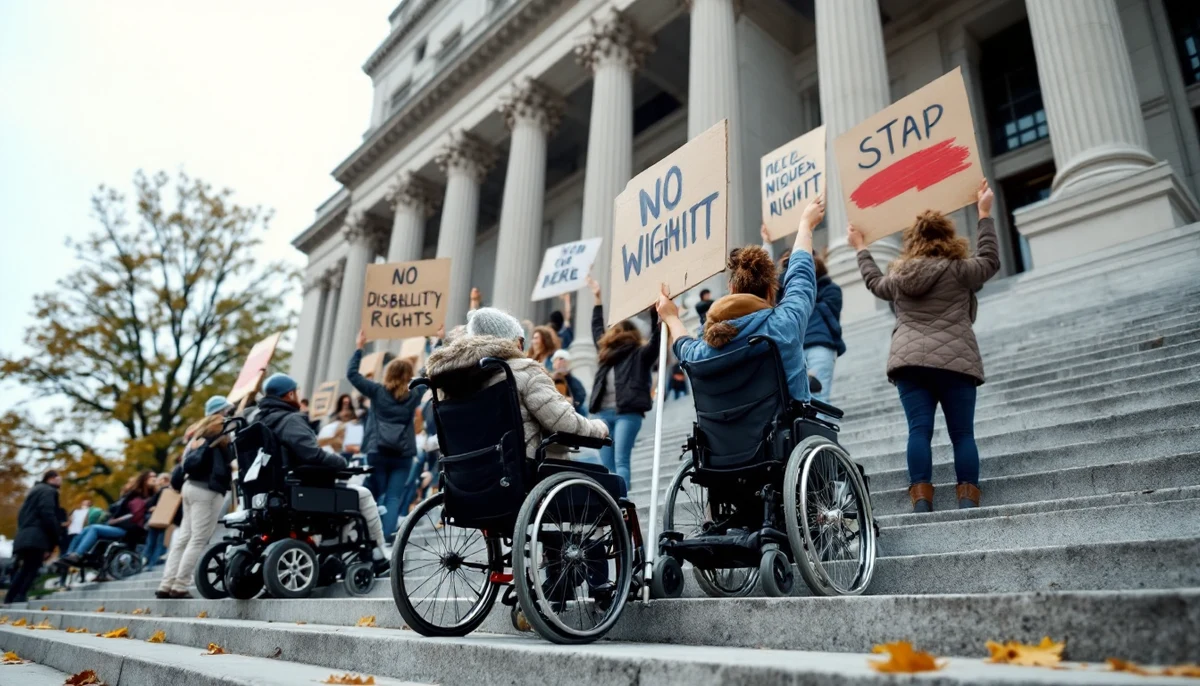
Teams of Disabled Youth Activists from several former Soviet countries are tackling physical and attitudinal barriers by conducting disability awareness trainings, building ramps into community centers, schools and other public buildings and producing advocacy videos and public education programs that have been shown on local television.
These activities are part of a three year project of the World Institute on Disability, Perspektiva – a Russian disability NGO, and seven partner NGOs that is funded by USAID, the Organization of Security and Cooperation in Europe, and the Belgian government. The main goal is to eliminate systemic social and physical barriers to an equal education for disabled children and youth. The strategy is to empower disabled youth to challenge discrimination and apply advocacy skills learned through the project.
All of the DYA Teams participating in this project struggle with the ongoing political upheaval and economic reality of the post-Soviet era, and several of the DYA Teams are working across borders of political conflicts resulting from the civil wars of the 1990's.
Highlights of 2005 project activities
In 2005, these project activities involved thousands of disabled youths, adults, their families, local officials and supporters throughout the region. DYA Teams have been formed in Yerevan, Baku, Samarkand, Sukhumi, Tbilisi and two Siberian cities, Gorno-Altaisk and Ulan-Ude, all representing disability led NGOs that promote the social integration of disabled persons in their countries or regions.
In 2005 they provided training and peer support for hundreds of disabled youths and parents, led disability awareness trainings for more 5000 students at mainstream schools, and led sessions for hundreds of professionals including journalists, government officials and teachers.
DYA Teams organized community change projects, disability film festivals and produced films and public service announcements about access to education and other disability issues. Their activities attracted local media coverage, and several teams also conducted activities and provided project materials in local languages including Armenian, Azeri, Uzbek, and Georgian in addition to Russian. Each team experienced unique project successes and achieved unanticipated but positive outcomes. As a result of project activities, small numbers of disabled children in these cities are starting to attend regular schools for the first time.

International Seminar focused on skills and strategies
At the 4th international seminar held in Moscow from April 22-27, 2005, all seven DYA Teams learned new skills and gained practical experience to become more effective disability advocates and leaders in their communities. The DYAs learned strategies for working with mass media, how to monitor mass media coverage of disability topics, and how to develop radio PSA scripts. They learned strategies for changing educators’ and parents’ attitudes toward inclusive education and discussed involving lawyers in some project activities. The teams also learned how to create public coalitions supporting inclusive education. All of the teams took advantage of the opportunity to discuss their problems and successes and to offer each other advice.

Empowering results
The newly empowered DYAs are also transforming their own lives through participating in this project. Before joining their teams, some of the younger team members rarely left their houses. Their families did not did not want them out in public either for their protection, or because they were ashamed of having a disabled family member. These young activists are now earning their own money, contributing to their households and have goals and dreams of a future beyond the walls of their homes.
More project activities are planned and funded through October 2006.
printer-friendly format |