
Independent Living Briefly
Compiled by Jennifer Geagan (jennifer@wid.org), World Institute on Disability
Disability Social Security benefits could face cuts
Social Security disability benefits may not be safe from the across-the-board cuts that are likely in President Bush's proposal to allow personal investment accounts. Retirement and disability benefits are calculated using the same formula, so if future promised retirement benefits are cut, then disability benefits also would be reduced -- unless the program is separated. That also raises big questions about how investment accounts would be structured for disabled people, especially if they get injured at a young age or are dependent on a parent. Disabled beneficiaries typically work less and need benefits sooner, so the accounts would not provide enough income to these people. Read the entire AP report online at the San Jose Mercury-News.


A Bloody Mess: decades after reform, Britain envies the US Social Security system
A conservative government sweeps to power for a second term. It views its victory as a mandate to slash the role of the state. In its first term, this policy objective was met by cutting taxes for the wealthy. Its top priority for its second term is tackling what it views as an enduring vestige of socialism: its system of social insurance for the elderly. Declaring the current program unaffordable in 50 years' time, the administration proposes the privatization of a portion of old-age benefits. In exchange for giving up some future benefits, workers would get a tax rebate to put into an investment account to save for their own retirement. Read the article online at prospect.org.
Russian Government Passes Unpopular Social Benefit Reform Bill: a brief report by Perspektiva
In August, despite protests all over the country, the Russian government signed into law a bill that will replace benefits such as subsidized transportation and medicine with cash payments, dismantling remnants of the Soviet welfare state and affecting millions of vulnerable citizens, including war veterans, the disabled and pensioners. The legislation is part of the unpopular and potentially painful reforms President Vladimir Putin has promised to tackle during his second term. Advocates of the government-backed bill say substituting cash for benefits will make aid more accurately targeted arguing, for example, that public transportation is scarce in rural areas and supplies of subsidized medicines are short. They also say it will put people less at the mercy of the country's laborious bureaucracy. However, opponents of the bill which affects more than 30 million of the neediest Russians, more than one-fifth of the population, say the proposed payments, which start at $5 a month, will be eaten away quickly by inflation and will not be paid in full by regional authorities. They also say some privileges, such as job guarantees for the disabled, are not eligible for any monetary compensation. In July thousands of Russians rallied to speak out against this legislation, unfortunately, this did not stop the Parliament from passing it.
Thousands Protest Cuts in Social Benefits Across Russia
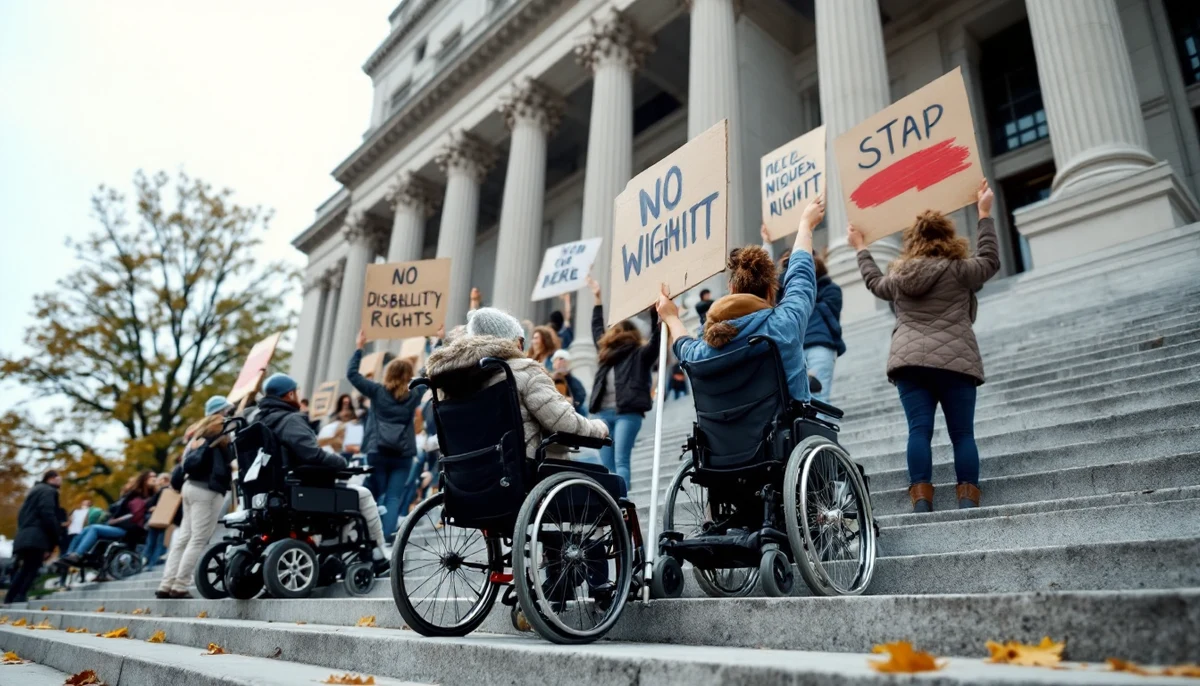
A thousand retired people tried to block the road to a Moscow airport Saturday as 10,000 others jammed the avenues in President Vladimir Putin's hometown of St. Petersburg to voice their anger over a law that stripped them of some key welfare benefits. It was the largest show of discontent since the Kremlin leader took power nearly five years ago. The protests were triggered by the January 1 law that gives retirees, the disabled and war veterans cash stipends instead of free benefits such as public transportation and medicine. Protesters charge that the payments don't match the benefits they are meant to replace. Read the entire AP online at Yahoo.
printer-friendly format |