![]() |
Portable Interface Pressure Mapping Unit Could Save Lives Around the World
by Marc Krizack (krizack@sfsu.edu)
Until now, the use of Interface Pressure Mapping (IPM) to measure a disabled person's pressure distribution on various wheelchair seats and cushions has only been available in a clinical setting. However, with the advent of smaller and more powerful computers, a portable IPM system has been developed which can be used in the home by community therapists. Although the cost of the unit is high, US$8000, the introduction of portable IPMs could have a significant and immediate impact in preventing pressure sores and saving the lives of large numbers of people with disabilities throughout the world.
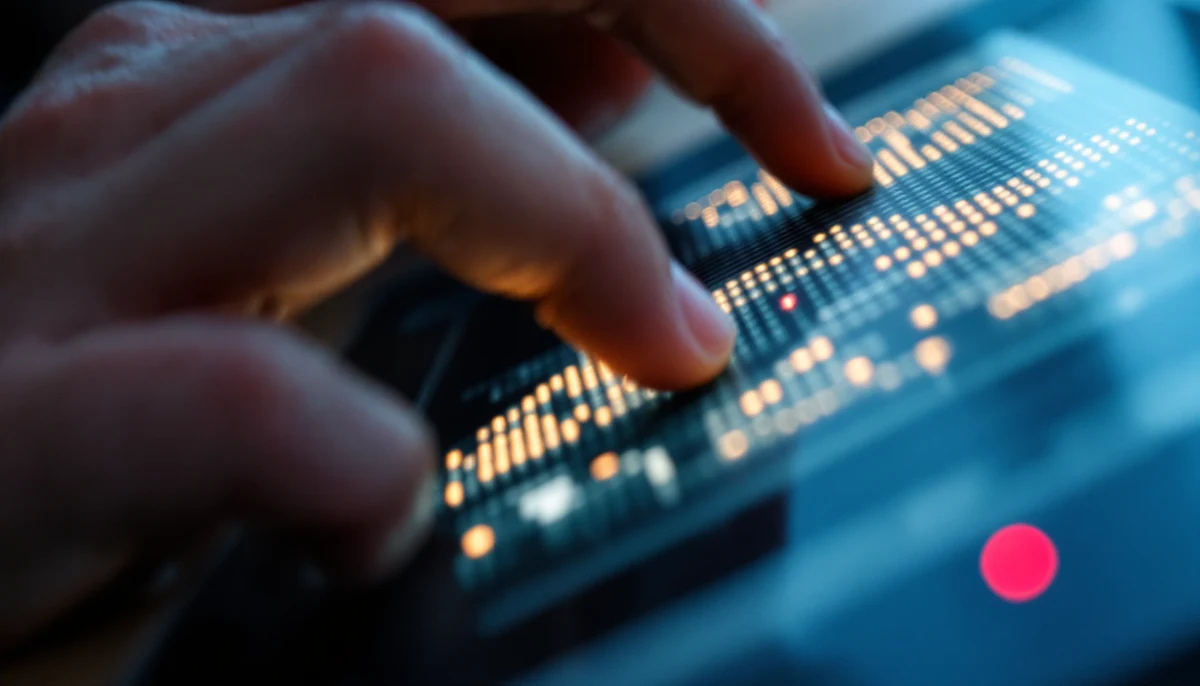
IPM is used primarily for people with spinal cord injuries who lack sensation in their buttocks and lower legs. An IPM system produced by the Xsensor Technology Corporation of Calgary, Alberta Canada consists of a computer, a single or multi-sensor pad, an electronics box, calibration hardware, special software and a power supply.
Canadian occupational
therapists devise kit
Jillian Swaine and Sue Munro,
two occupational therapists from Calgary, created a portable IPM kit by
replacing the desktop computer used in clinical settings with a laptop
computer with 16MB of RAM and running Windows 95. They added an HP Deskjet
340 portable color inkjet printer which can be used to print out each test
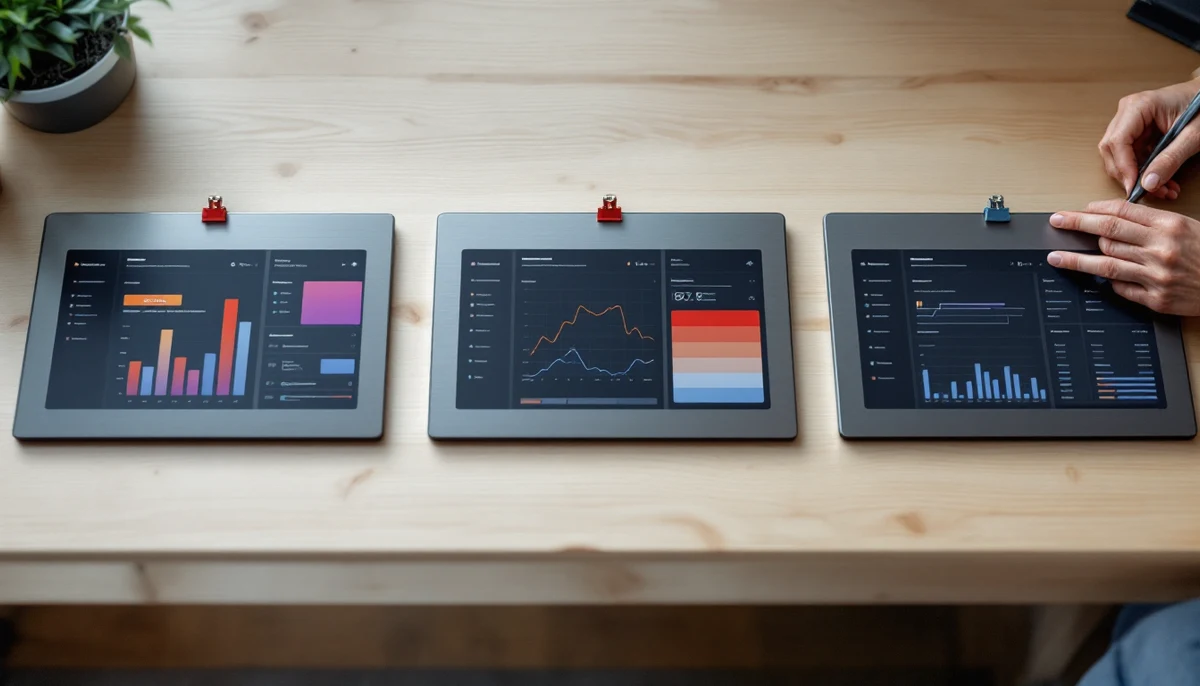
result as a color-coded pressure map. The areas of high to low pressure
are colored in descending order, red, orange, yellow, green, light blue,
and dark blue. There are 18 shades of colors in all.
The printouts give on-the-spot feedback to the person being tested. They can be used to help a spinal cord injured person choose the most appropriate cushion, to determine a cushion's proper inflation, to educate a newly spinal cord injured person and family members and personal assistants about proper seating and sleeping positions, and to devise and confirm effective pressure relief techniques such as push ups (using the hands to raise the buttocks up by pushing down on a wheelchair's armrests). They can also be used to monitor interface pressure after flap surgery, which is surgery done to repair a severe pressure sore.
Pressure sores, also known as decubiti, are breakdowns of the skin caused by continuous pressure of the underlying bones against a hard surface. People with full feeling in their buttocks and legs frequently and automatically adjust their sitting, lying and standing postures in order to relieve the pain and discomfort that can be caused by these pressures even after only a few minutes in one position. A person with a spinal cord injury, however, does not feel pain from sitting in one position, and general discomfort may arise only after a long time when the body's internal mechanisms try to cope with an injury that has already occurred. The best possible cushion, correct posture, and awareness of techniques to frequently relieve pressure and adjust weight distribution are necessary if the spinal cord injured person is to avoid pressure sores.
Empowering client-centered
methodology
The portable IPM system
provides the spinal cord injured person with a visual feedback system.
In a Canadian study, the colored printouts of pressure distribution proved
to be an effective tool to educate the disabled client so he can make the
best possible choices regarding seating and pressure management.
This "client-centered" methodology is more empowering, and therefore more
likely to be effective than the traditional methodology where medical professionals
claim to have all the expertise and treat the disabled patient as an object
for medical practice. It ensures that the medical professional
will get all the relevant information from the disabled patient while at
the same time promoting prevention by arming the disabled person with the
knowledge to successfully monitor and manage his self-care.
In the Canadian study, the IPM test procedure included administering a questionnaire known as the Psychological Impact of Assistive Devices (PIADS), to assess the response of the test takers. Those surveyed indicated that the IPM procedure engendered a high level of self-esteem.
Potential uses in remote,
rural and inaccessible communities
In many places around the
world, spinal cord injured persons may be unable to get to a clinic, either
because they live in rural areas, because transportation is inaccessible,
or because for a variety of reasons they are unable to leave their homes
without great difficulty. The portable IPM can be brought to
the disabled person in her home. While in the home environment, the
community therapist can map all surfaces on which the disabled person sits
or lies. The portable IPM can also be used by organizations of disabled
persons to facilitate contact with spinal cord injured persons as part
of an outreach program to its constituents.
Swain uses the Interface Pressure Map in remote areas such as the Canadian Artic, where getting to seating clinics is impossible in the winter time and very expensive. "We use the IPM very effectively in many people's homes since many of their seating surfaces, such as the couch and bed, don't get to the seating clinics," said Swain. Swain noted that there may be less accurate but also less expensive IPM devices available for use in developing countries.
For more information, contact Jillian Swaine, B.Sc. (O.T.) at jillianswaineots@home.com
Copyright © 2000 IDEAS2000. All rights reserved.