
![]() |
Brazil: Saci Network
promotes citizenship in the Web
"To transform the Internet into a huge communication and information network for people with disabilities". This is the objective of Saci Network, created by University of São Paulo's Executive Coordination for University Cooperation, in partnership with the Federal University of Rio de Janeiro's Center for Information Technology, among other public agencies.
According to Marta Gil, sociologist and project manager, Saci Network intends to promote citizenship and social integration of all disabled people. "We want to improve the social conditions of people with disabilities. For that reason, we have created a space for information exchange among disabled people, their families, the public sector and businesses," states Marta.


Created in August of 1999, the Saci Network had its home page hosted (www.saci.org.br) in November of the same year to bring a variety of services to people with disabilities. "We want to offer in our home page many programs which will make browsing possible for all disabled people," says the project manager.
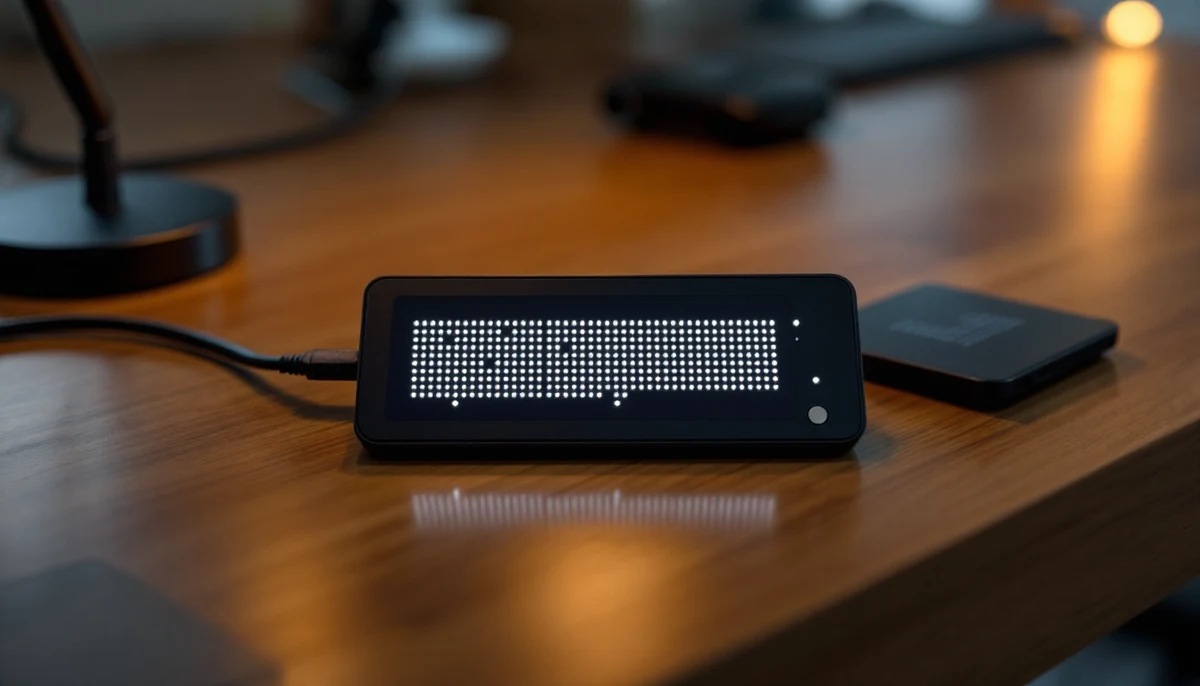
Besides having access to sites and sending e-mails, the program package will also enable visually impaired people to access chat rooms. "Programs aimed at people with other kinds of disabilities are being developed and will be available on site soon," assures Marta.
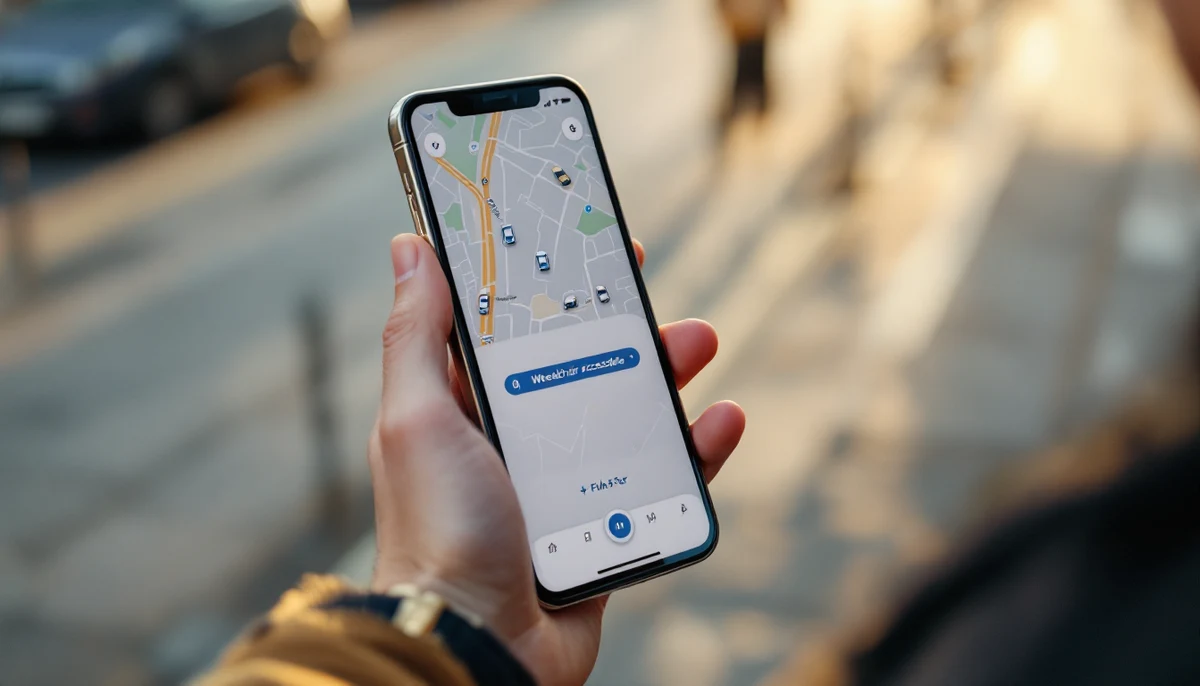
The sociologist explains that the whole Saci Network site was built to ensure virtual access to disabled people. This means that the visually impaired people will be able to listen to the description of a picture on the screen, while hearing impaired people will have the option of reading, for example, the entire statement audio taped.
To ensure access of people with disabilities to the Internet, Saci Network initiated, last month, in Rio de Janeiro, its first Center for Information and Socialization. According to Marta, every person with disability will be able to use computers from the Center to surf the Web. "Nobody will be excluded. If someone does not know computer, he or she will be able to participate in weekly classes to learn how to use the equipment."
The project coordinator anticipates that people with disabilities from São Paulo will also have a space to use computers, participate is classes and develop other social activities. "We will develop a Center for Information and Socialization in São Paulo. We are still looking for a location, but, until June, it should be operating," foresees Marta.
The Saci Network site already has around 1000 users registered in the country, among them disabled people (45%), professionals specialized in the field (40%), family members, students and other users with interest in the field (15%). "We hope that technology helps solve the problems of people with disabilities. Some are already working with information technology. This was not true even a few years ago, when many had as their only activity, for example, making of brooms," Marta recalls.
According to her, Saci Network
intends to develop training courses for disabled people in the next years.
"Besides being a great communication and educational means for people with
disabilities, information technology enables them to look for training
to enter the labor market. With the help of our partners, in the
future, we want to invest in this area," she concludes.
Copyright © 2000 IDEAS2000. All rights reserved.