
Disability World
A bimonthly web-zine of international disability news and views, Issue no. 7 March-April 2001


Access & Technology/briefly:

Ease of Web Use Changes Lives of Disabled Brazilians

By Ronaldo França (Veja Magazine: Edition 1 649 -17/5/2000)

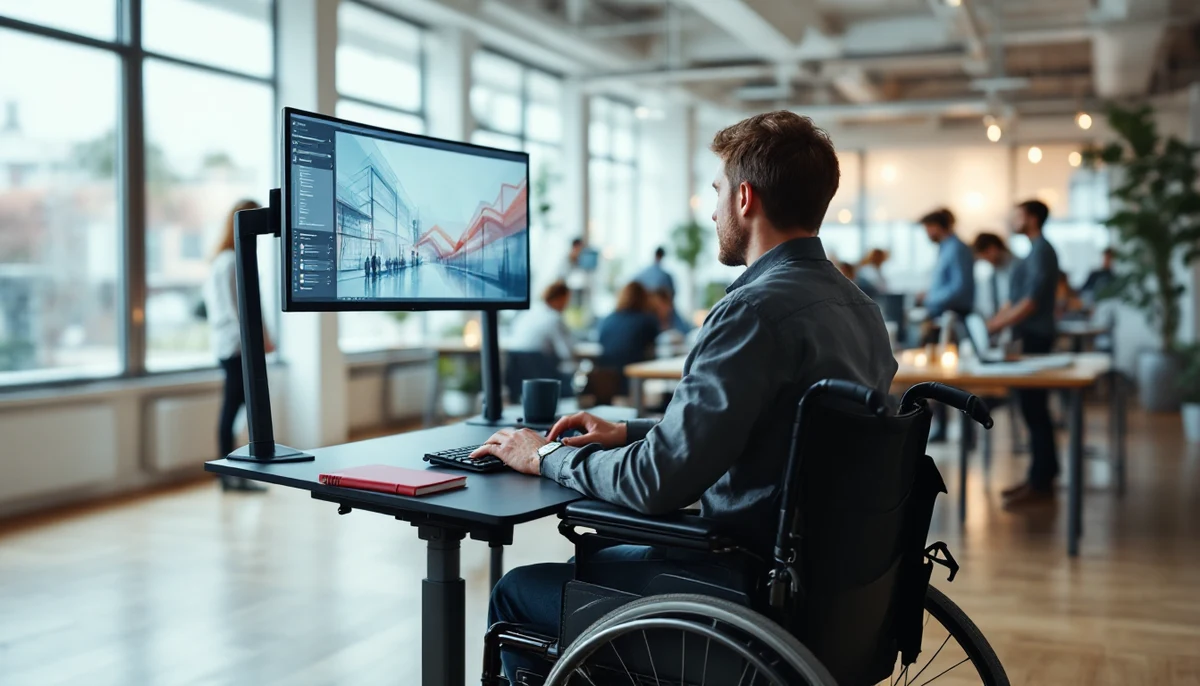
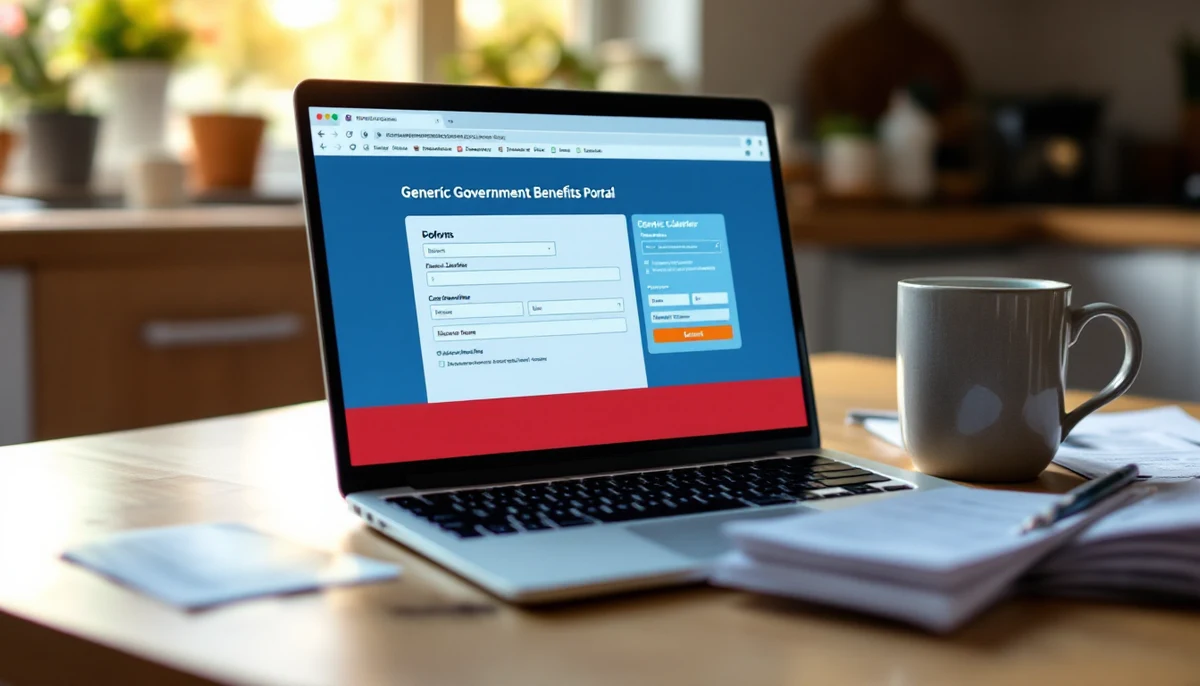
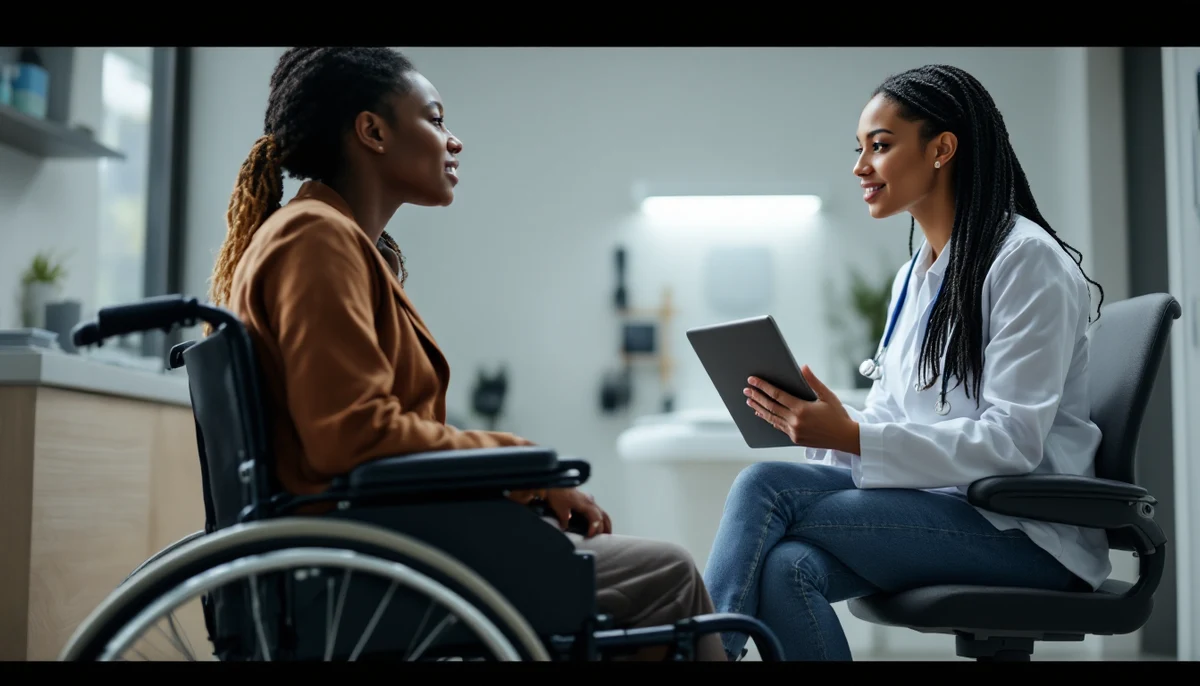
Without being noticed, the Internet, which, for most people, represented a major transformation, is opening the doors of a new world for people with disabilities. Thanks to access to the Net, visually impaired people can read newspapers, hearing impaired people talk with unknown people without any embarrassment in chat rooms, and paraplegics do their monthly shopping at the supermarket without hassle. From the point of view of regular people, these are small accomplishments. For someone who lives with an impairment, these are huge accomplishments. But this is not all. What has been cheering up this segment of Brazilian society - until now, living at the margin of a society that worships perfection - is the perspective of visiting and enjoying the same conveniences and services available to the general population. At least in the virtual world, they are not considered different.

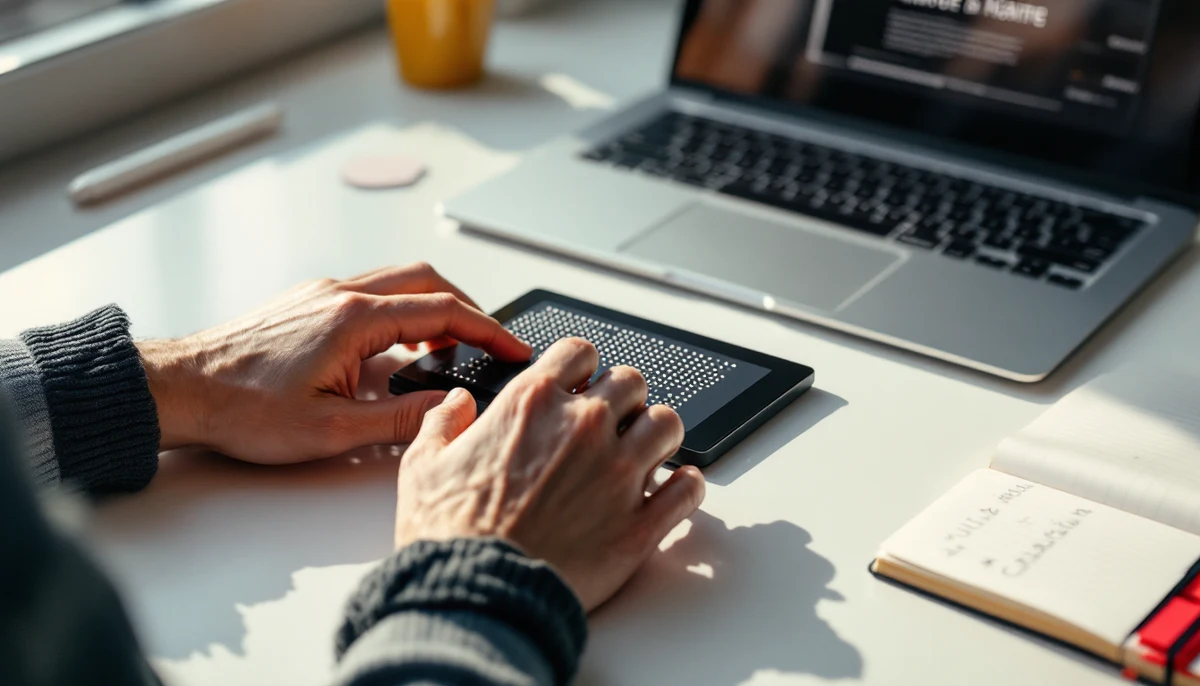
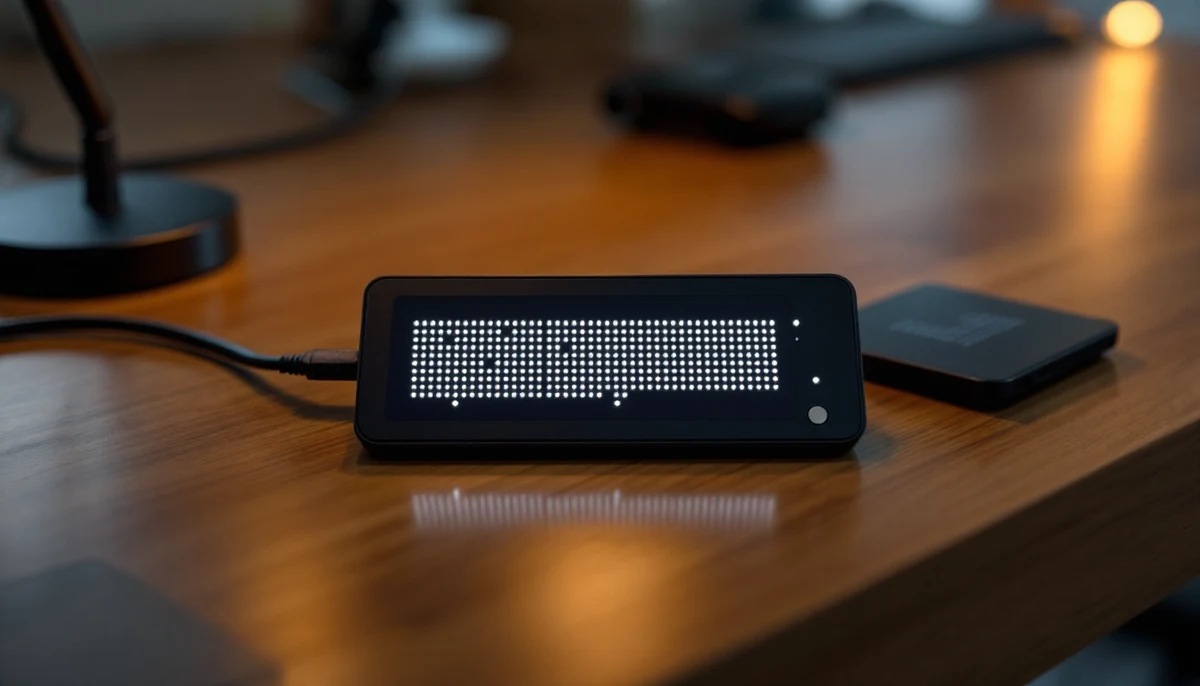
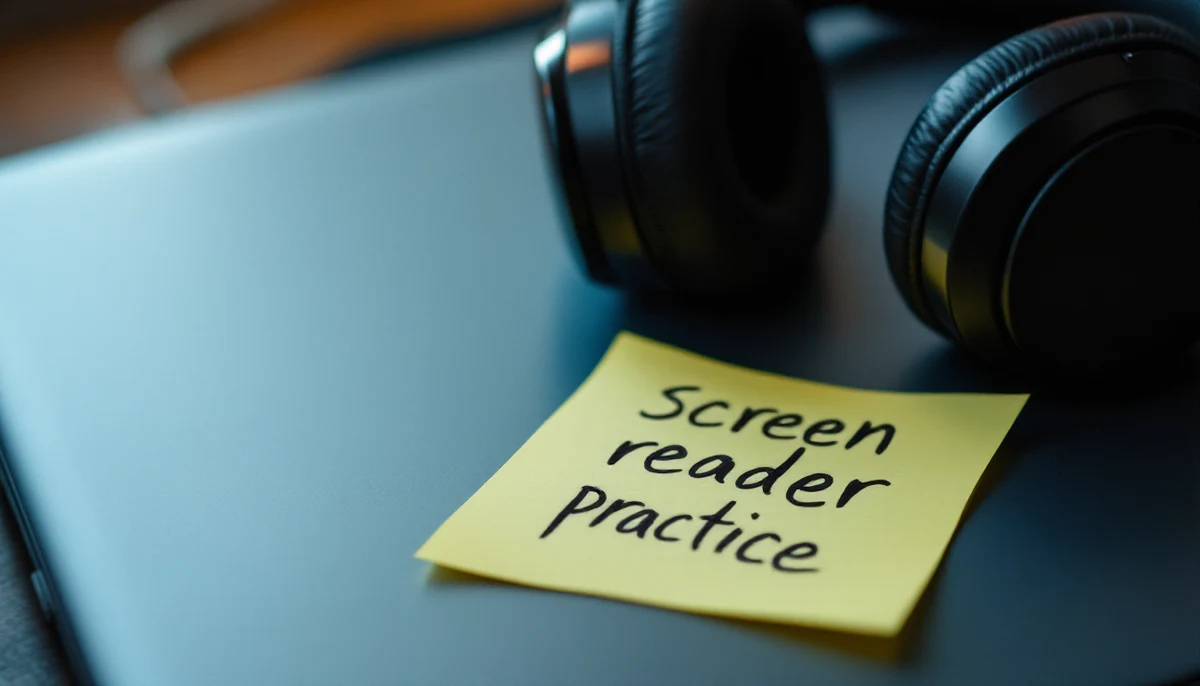
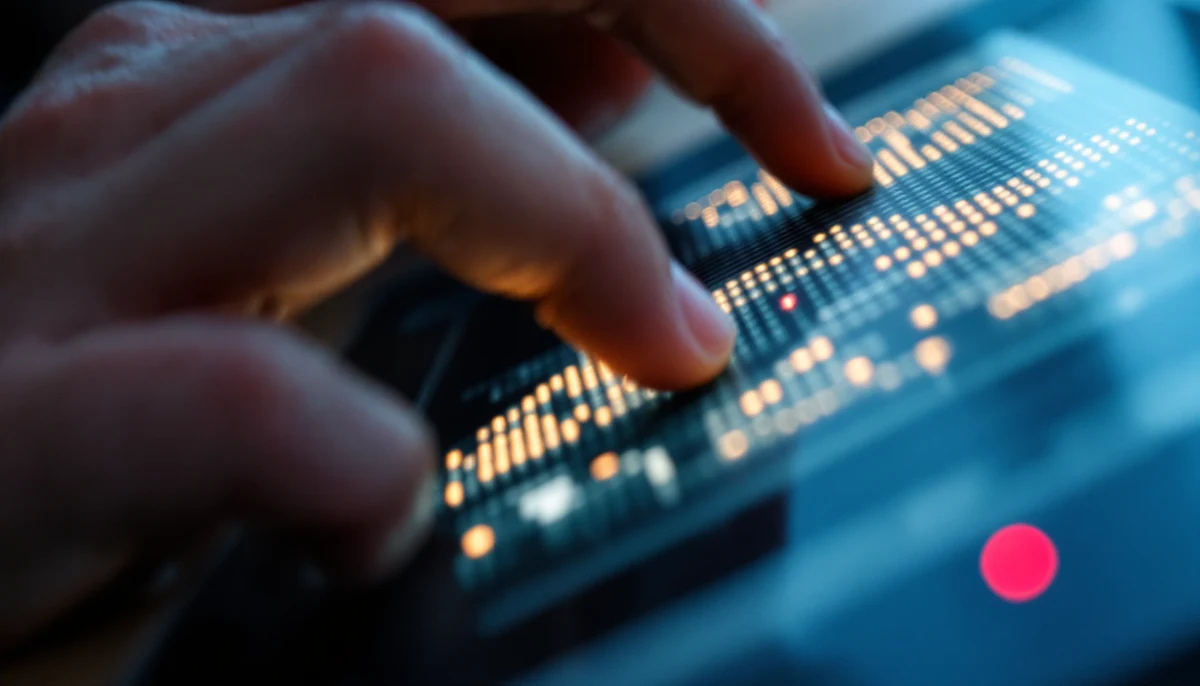
The visually impaired people are the ones who have really felt the difference. As an estimate, there are around 1000 of them surfing the Web. Thanks to programs that transform texts on the screen into sounds, they can absorb culture and information without any problems. There are many programs like this. The most popular one is the DOSVOX, developed by the Center for Information Technology of the Federal University of Rio de Janeiro. It can be obtained without charge on the Internet and it comes with a package of 16 applications, which include word processing, screen readers and browsers for the Internet.  The most complete package has, among other tools: timetable, word processor compatible with the most common ones in the market and all the software necessary for the office, but costs about R$140 (around US$70). By using this program, 26 year-old student Renato Costa already reads magazines - something totally new in his life. He has also started to read books from virtual library sites. Before, this task was only possible when he had access to the few existing editions in Braille. "The Internet has been a watershed," he says.

There is more to celebrate with the advancements in the Web. One can only imagine how hard it is for someone who cannot walk to push a shopping cart in a supermarket. Attorney Geraldo Nogueira, from Rio de Janeiro, director of the NGO Center for Independent Living (CVI Rio), persisted for three years in maintaining his office downtown. "There were a series of problems that would start when parking the car and would have no end," he recalls. He closed the office and began to work as a consultant via Internet. "Today, I have a much higher prospect of profit," he says.

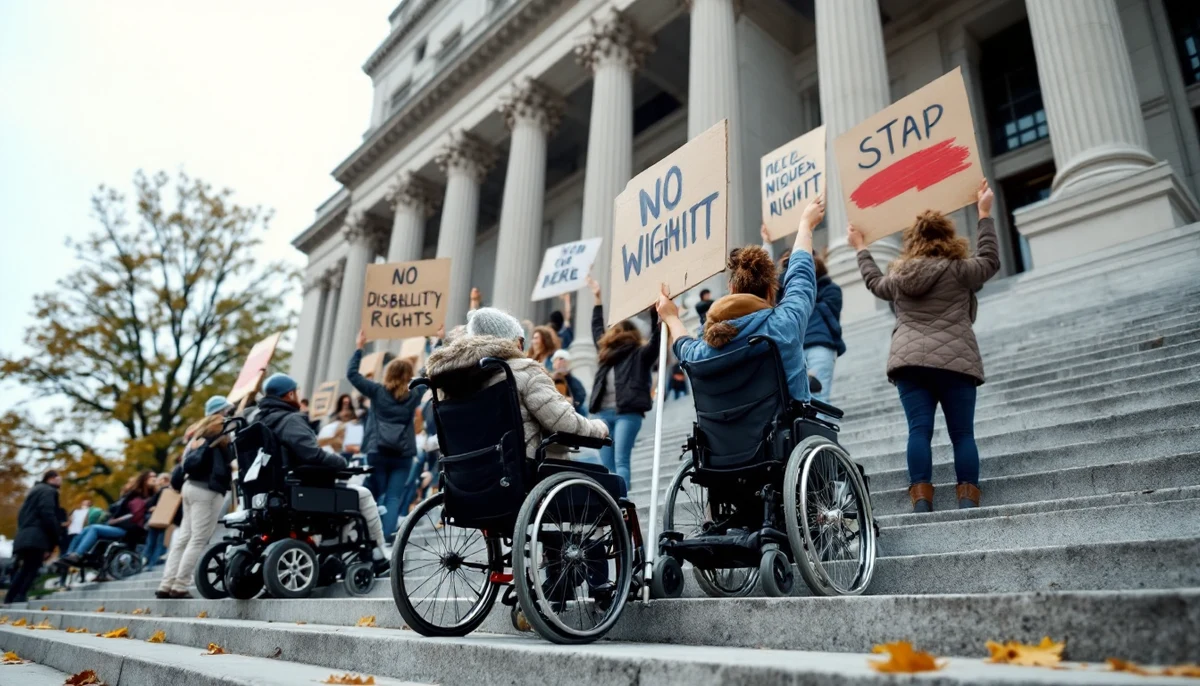
As well as in real life - where the unsuitability of the cities is a hassle for people with disabilities, the virtual world also needs to be adjusted. Many pages, well designed and functional for the visually able people, need to be adapted for the visually impaired. There is no need, for example, for pages full of drawings if the icons are not followed by words that can be decoded. They should be written word by word in order to be read by the program that transforms them into sound. But, opposite to what happens when the sidewalk has no ramps, the Internet problems do not take away the good humor from people with disabilities whom, before, walked with difficulties, and now browse freely.


Return to Table of Contents

Return to disabilityworld home page

Copyright © 2000 IDEAS2000. All rights reserved.